
Full Coverage on Financed Cars — Connecticut
Free to compare
The Lender Requirement Versus State Law
You financed a second or third car and the lender told you full coverage is required. Connecticut law requires $25,000 per person and $50,000 per accident in bodily injury liability, plus $25,000 in property damage liability, and uninsured motorist coverage. Collision and comprehensive are not state mandates. The lender's requirement comes from the loan contract, not the DMV.
This creates a structural split for households with multiple vehicles. The financed car must carry collision and comprehensive to satisfy the lender. Your other vehicles on the same policy do not, unless you choose to add those coverages. The state does not care whether you carry full coverage. The lender does, but only for the car securing the loan.
“The lender's requirement comes from the loan contract, not Connecticut law, and applies only to the financed vehicle.”

See What Connecticut Drivers Pay for the Coverage They Need
Get My Connecticut Car Insurance Quote$25,000/$50,000/$25,000
Connecticut Minimum Liability
Connecticut requires $25,000 per person and $50,000 per accident in bodily injury liability, plus $25,000 in property damage liability. Uninsured motorist coverage is also mandatory. Collision and comprehensive are optional under state law.
Connecticut DMV
What the Loan Contract Actually Requires
The loan contract requires collision and comprehensive on the financed vehicle until the loan is paid off. Collision covers damage to your car in an accident. Comprehensive covers theft, vandalism, weather damage, and animal strikes. Both coverages protect the lender's collateral, not you directly.
The lender also requires that you name them as the lienholder on the policy. The carrier sends a lienholder notification to the lender confirming coverage is active. If you drop collision or comprehensive before the loan is paid off, the lender receives a cancellation notice and can force-place coverage at a much higher rate, billed to you.
The requirement applies only to the financed vehicle. If you own two other cars outright and they sit on the same policy, you can carry liability-only on those vehicles. The lender has no claim on cars they did not finance. Many households assume full coverage is required on every vehicle once one car is financed. That is not true.
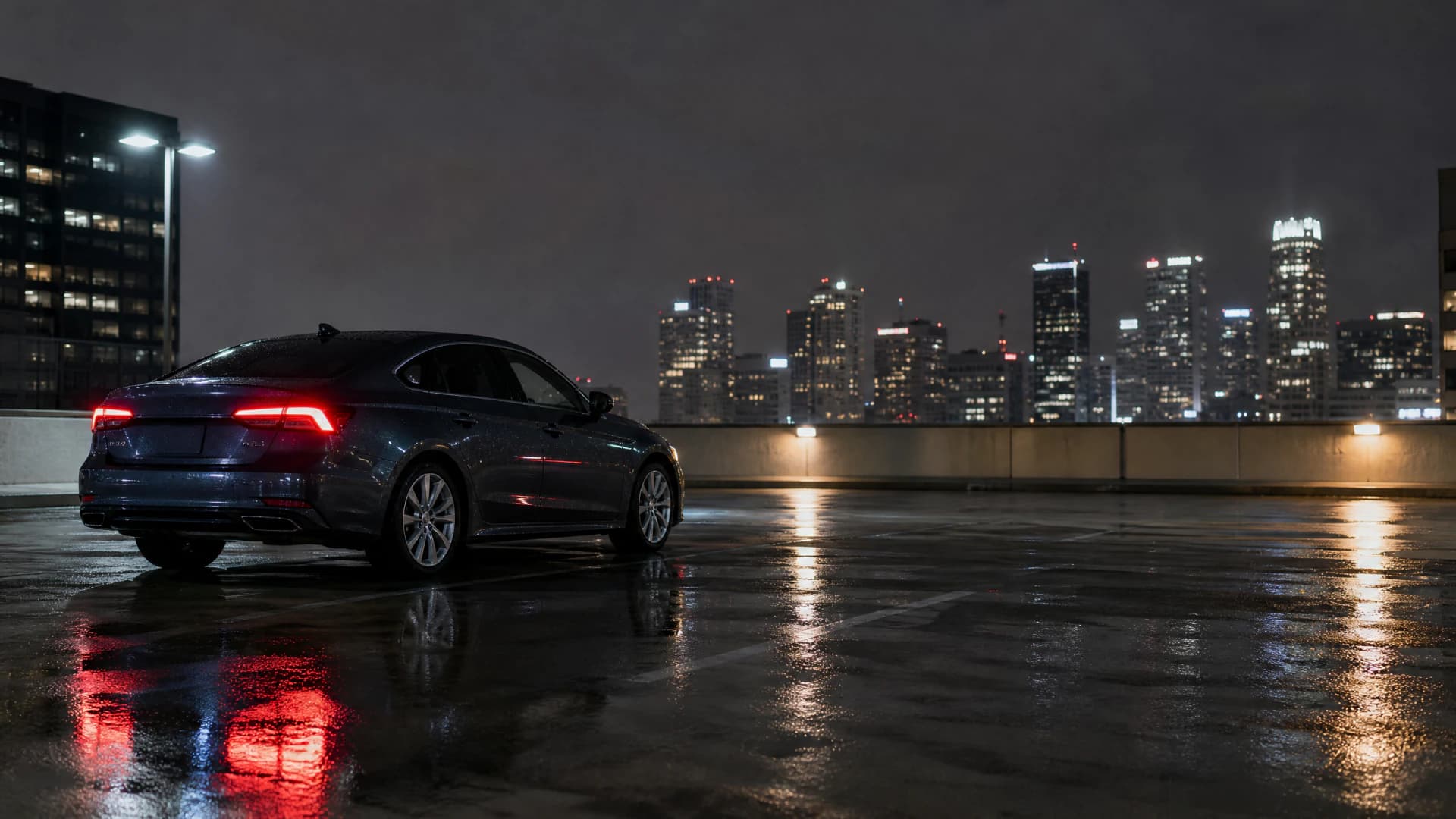
The lender's full-coverage requirement applies only to the financed vehicle, not every car on your multi-vehicle policy.
Related Articles






Deductible Choices and Loan Payoff Timing
The loan contract does not specify a deductible amount. You choose a $500 or $1,000 deductible when you add collision and comprehensive. A higher deductible lowers the premium. A lower deductible means you pay less out of pocket if the car is damaged or stolen. The lender cares that the coverages exist, not which deductible you select.
Once the loan is paid off, the lender releases the lien and you can drop collision and comprehensive if you choose. Many drivers keep both coverages if the car is worth enough to justify the premium. Collision depends on how much you would pay to repair the car after an at-fault accident. If the car is worth less than ten times the annual collision premium, dropping collision often makes sense.
If you trade in the financed car before the loan is paid off, the new loan on the replacement vehicle will carry the same full-coverage requirement. The lender on the new loan will require collision and comprehensive on the new car. The old car's coverages end when you remove it from the policy. The requirement follows the loan, not the driver.
$1,393.95
Connecticut Average Annual Auto Expenditure Per Vehicle
Connecticut drivers paid an average of $1,393.95 per insured vehicle in 2023. This figure reflects all coverage types and household profiles statewide. Households with multiple vehicles often pay less per vehicle due to the multi-car discount.
NAIC Auto Insurance Database Report 2023

Comparing Carriers for Multi-Vehicle Policies
Connecticut has 19 carriers writing multi-vehicle policies. Allstate, Geico, Progressive, State Farm, Travelers, and USAA write the majority of multi-car policies in the state. Each carrier prices collision and comprehensive differently. The multi-car discount percentage also varies by carrier. A carrier with a lower base rate and a smaller multi-car discount can cost less than a carrier with a higher base rate and a larger discount.
When you add a financed car to an existing policy, request quotes from at least three carriers. Provide the VIN, the loan amount, and the lienholder's name. The carrier will calculate the collision and comprehensive premiums for the financed car and apply the multi-car discount to the total policy. Compare the total policy premium, not just the financed car's premium. The household's combined premium is what matters, not the individual vehicle cost.
Add the Financed Car and Compare Carriers
Contact your current carrier first. Ask for a quote adding the financed car with collision and comprehensive. Provide the lienholder's name and address so the carrier can send the lienholder notification. If the new total policy premium is acceptable, add the car. If the increase is larger than expected, request quotes from two other carriers writing multi-vehicle policies in Connecticut. The Connecticut car insurance requirements page lists carriers writing in the state and the coverages each offers. Compare total policy premiums, confirm the multi-car discount applies, and verify the lienholder notification process before you switch.
How Multi-Vehicle Policies Handle Mixed Coverage
Carriers rate each vehicle separately on a multi-vehicle policy. The financed car's premium reflects collision and comprehensive, plus the deductible you select. The other vehicles' premiums reflect liability-only. The multi-car discount applies to the total policy premium, not to individual vehicle premiums. Adding collision and comprehensive to one vehicle does not force you to add them to the others.
When you add the financed car to an existing policy, the carrier re-rates the entire policy. The new vehicle's premium is not simply added to the old total. The multi-car discount recalculates, and the household's combined driving record and garaging address affect the rate. The financed car's collision and comprehensive premiums will be higher than the liability-only premiums on your other vehicles, but the multi-car discount offsets part of that increase.
Get Your Free Quote
Get My Connecticut Car Insurance QuoteFrequently Asked Questions
Does Connecticut require full coverage on financed cars?
No. Connecticut requires $25,000/$50,000/$25,000 liability and uninsured motorist coverage. The lender requires collision and comprehensive through the loan contract, not state law. The requirement applies only to the financed vehicle.
Can I carry liability-only on my other cars if one is financed?
Yes. The lender's full-coverage requirement applies only to the financed vehicle. Other cars on the same policy can carry liability-only if you choose. The multi-car discount applies to the total policy premium regardless of coverage differences.
What happens if I drop collision before the loan is paid off?
The lender receives a cancellation notice and can force-place collision and comprehensive at a much higher rate, billed to you. The force-placed coverage protects the lender's collateral, not you. Premiums are typically two to three times higher than voluntary coverage.
Do I need to tell my carrier the car is financed?
Yes. Provide the lienholder's name and address when you add the car. The carrier sends a lienholder notification confirming collision and comprehensive are active. The lender will not release the title without proof of coverage.
Can I drop full coverage after the loan is paid off?
Yes. Once the lender releases the lien, you can drop collision and comprehensive if you choose. Many drivers keep both coverages if the car is worth enough to justify the premium.
Does the multi-car discount apply if vehicles have different coverage levels?
Yes. The multi-car discount applies to the total policy premium, not to individual vehicle premiums. The financed car carries collision and comprehensive. The other cars carry liability-only. The discount recalculates based on the total policy premium after all vehicles are added.