
Multi-Car Coverage Needs — Connecticut
Free to compare
The Multi-Car Coverage Question Connecticut Households Face
You own two or three cars, they're all on one Connecticut policy, and you're trying to decide whether to carry the state's minimum 25/50/25 liability on every vehicle or step up to full coverage on some or all of them. The decision feels different when you're insuring multiple cars because the premium compounds, but so does the exposure if one vehicle causes a serious accident or gets totaled.
Connecticut does not require collision or comprehensive coverage on any vehicle, even financed ones, though your lender will. The state's only mandate is $25,000 bodily injury per person, $50,000 per accident, and $25,000 property damage, plus uninsured motorist coverage at the same limits. That floor applies to every car you own, but how you structure coverage above that floor across a multi-car policy determines whether you're protected or exposed when something goes wrong.
“The state minimum protects other people. It does nothing for your own vehicles, and on a multi-car policy that gap compounds with every car you leave uninsured.”

See What Connecticut Drivers Pay for the Coverage They Need
Get My Connecticut Car Insurance Quote$25,000 / $50,000 / $25,000
Connecticut Liability Minimum
Every vehicle registered in Connecticut must carry at least $25,000 bodily injury per person, $50,000 per accident, and $25,000 property damage. Uninsured motorist coverage at the same limits is also mandatory.
Connecticut General Statutes §38a-334
What the State Minimum Actually Covers Across Multiple Vehicles
The 25/50/25 minimum is a per-accident limit, not a per-vehicle limit. If your teenager driving one of your three cars causes a two-car accident that injures three people, your $50,000 bodily injury limit covers all three injuries combined, and your $25,000 property damage limit covers both damaged vehicles. If the total exceeds those caps, you pay the difference out of pocket.
Connecticut's uninsured motorist requirement gives you some protection when the other driver has no insurance or inadequate coverage, but it mirrors your liability limits. If you carry only the state minimum, your uninsured motorist coverage caps at $25,000 per person and $50,000 per accident. That leaves you exposed if an uninsured driver totals your newer vehicle or causes injuries that exceed those thresholds.
Collision and comprehensive are optional, but they're the only coverages that pay to repair or replace your own vehicle after an accident, theft, weather damage, or vandalism. On a multi-car policy, you choose collision and comprehensive separately for each vehicle. Many households carry full coverage on the newest or most valuable car and drop it on older paid-off vehicles, but that strategy only works if you can afford to replace the uninsured car out of pocket.
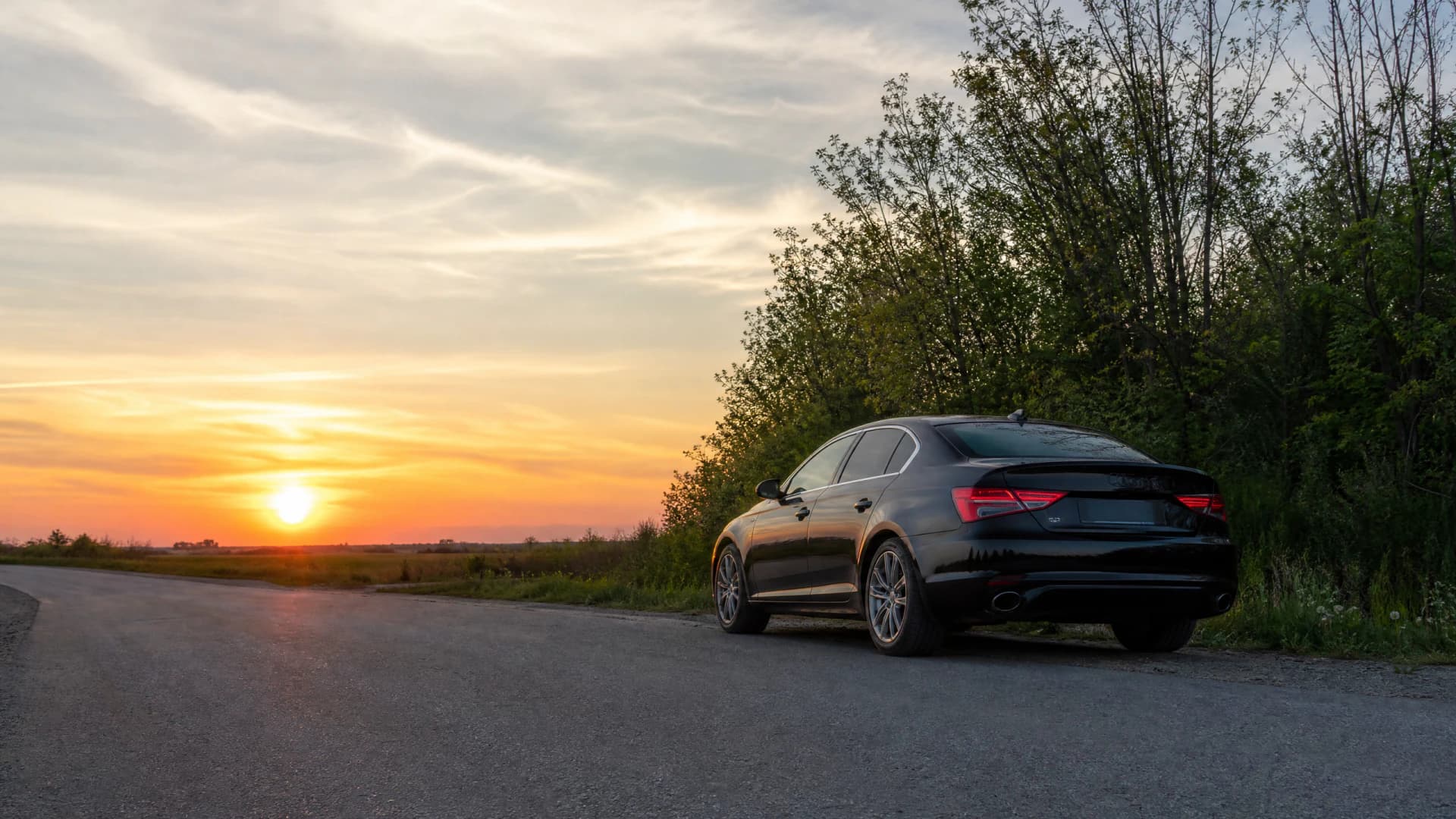
The state minimum protects other people's property and injuries. It does nothing for your own vehicles. On a multi-car policy, that gap compounds with every car you leave uninsured.
Related Articles

Best Car Insurance for Multiple Vehicles CT
7/15/2026

Best Cheap Multi-Car Insurance — Connecticut
7/15/2026

Liability vs Full Coverage Multi-Car CT
7/15/2026

Best Minimum Coverage Carriers — Connecticut
7/15/2026
Best Full Coverage Carriers — Connecticut
7/15/2026

Minimum Coverage for Multiple Cars in CT
7/15/2026

When Liability Limits Should Go Higher Than the State Minimum
If you cause an accident that totals a newer vehicle, your $25,000 property damage coverage pays only part of the loss, and you're personally liable for the rest. On a multi-car household policy, that exposure exists every time any household member drives any of your vehicles.
Bodily injury liability is the bigger risk. A serious injury can generate medical bills, lost wages, and pain-and-suffering claims that blow past $50,000 quickly. Connecticut courts allow injured parties to pursue your personal assets when your liability coverage runs out. If you own a home, have retirement savings, or earn a steady income, you're a target for post-judgment collection. Raising your bodily injury limits to 100/300 or 250/500 costs less than most households expect and eliminates the catastrophic-loss scenario.
Uninsured motorist coverage should match your liability limits. Connecticut's 11.8 percent uninsured motorist rate means roughly one in nine drivers on the road has no coverage. If an uninsured driver totals your car or injures you, your uninsured motorist coverage is your only recovery path. Keeping it at the state minimum when you've raised your liability limits leaves you underinsured for the exact scenario the coverage exists to address.
11.8%
Connecticut Uninsured Motorist Rate
Roughly one in nine Connecticut drivers operates without insurance. Your uninsured motorist coverage is the only protection when an uninsured driver causes an accident that damages your vehicle or injures you.
Insurance Research Council, 2023
Structuring Coverage Across Vehicles on One Policy
Most multi-car households use a tiered approach: full coverage on financed or newer vehicles, liability-only on older paid-off cars, and elevated liability and uninsured motorist limits that apply to the entire policy. The liability limits you choose cover every vehicle and every driver on the policy, so you set them once and they protect the whole household. Collision and comprehensive are per-vehicle decisions, so you add them only where the vehicle's value justifies the premium.
Deductibles matter more on a multi-car policy because you're making the collision-versus-comprehensive trade-off multiple times. A $500 deductible costs more in premium than a $1,000 deductible, but it lowers your out-of-pocket cost if you file a claim. On three vehicles, the deductible difference compounds. Many households choose a higher deductible on older cars and a lower deductible on the newest vehicle, balancing premium cost against claim-time exposure.
Compare Carriers That Write Multi-Car Policies in Connecticut
Connecticut has 19 carriers writing auto insurance in the state, and most of them offer multi-car discounts when you insure two or more vehicles on the same policy. The discount typically applies to each vehicle after the first, and the percentage varies by carrier. Some carriers price aggressively for multi-car households; others price better for single-car policies and offer smaller multi-car discounts. The only way to know which carrier gives you the best rate for your specific household is to compare quotes with identical coverage across multiple carriers.
When you compare, make sure every quote reflects the same liability limits, the same collision and comprehensive elections per vehicle, and the same deductibles. A quote that looks cheaper but carries lower liability limits or no collision on a vehicle you planned to insure fully is not a real comparison. Get quotes from at least three carriers, and make sure the coverage structure matches your household's actual needs before you choose based on price. Use the Connecticut car insurance requirements page to confirm the state's minimum limits and see which carriers write policies in the state.
How Full Coverage Decisions Compound on a Multi-Car Policy
Full coverage means liability plus collision and comprehensive. Collision pays to repair your car after an accident regardless of fault; comprehensive pays for theft, vandalism, weather damage, and animal strikes. Both come with a deductible you choose, typically $500 or $1,000. On a three-car policy, adding full coverage to all three vehicles can more than double the total premium compared to minimum liability alone.
The decision becomes a vehicle-by-vehicle calculation. A financed or leased car requires collision and comprehensive until the loan is paid off. A newer car with significant replacement value justifies full coverage even if it's paid off, because replacing it out of pocket would be a financial hit.
Get Your Free Quote
Get My Connecticut Car Insurance QuoteFrequently Asked Questions
Does Connecticut require full coverage on financed cars?
Connecticut does not require full coverage on any vehicle, but your lender will. Collision and comprehensive coverage protect the lender's interest in the vehicle, and the loan or lease contract requires you to carry both until the loan is paid off. The state's only mandate is liability and uninsured motorist coverage.
Can I carry different coverage on each car on a multi-car policy?
Yes. Liability and uninsured motorist limits apply to the entire policy and cover every vehicle, but you choose collision and comprehensive separately for each car. Most households carry full coverage on newer or financed vehicles and liability-only on older paid-off cars.
What happens if I cause an accident that exceeds my liability limits?
You are personally liable for the difference. If your $25,000 property damage limit does not cover the other driver's totaled $50,000 vehicle, you owe the remaining $25,000 out of pocket. Connecticut courts allow injured parties to pursue your personal assets, including your home, savings, and wages, to satisfy the judgment.
Should uninsured motorist coverage match my liability limits?
Yes. Uninsured motorist coverage protects you when an uninsured driver causes an accident. If you raise your liability limits to 100/300 but leave uninsured motorist at the state minimum 25/50, you are underinsured for the exact scenario the coverage exists to address. Match the limits so your protection is consistent.
How do I know if an older car is worth insuring with full coverage?
Compare the car's actual cash value to the annual cost of collision and comprehensive plus your deductible. If a year of premiums plus a $1,000 deductible exceeds the car's value, liability-only makes more financial sense. You can replace the car out of pocket for less than you would pay to insure it fully.
Do all Connecticut carriers offer multi-car discounts?
Most do, but the discount percentage and eligibility rules vary by carrier. Some apply the discount to every vehicle after the first; others cap it at a certain number of cars. Compare quotes from multiple carriers with identical coverage to see which one prices best for your household's vehicle count and coverage needs.