
Multi-Car Insurance Discounts — Connecticut
Free to compare
Why Your Multi-Car Discount May Not Apply
You added a second or third vehicle to your household and expected the multi-car discount to reduce your premium automatically. Instead, your rate stayed flat or climbed higher than you anticipated. The structural reality: Connecticut carriers apply the multi-car discount only when every vehicle sits on the same policy under the same named insured, and many require all vehicles to share a garaging address.
A car titled to a household member on a separate policy does not count toward your multi-vehicle discount, even if both policies are with the same carrier. A vehicle garaged at a second address—a college student's car parked out of state, a classic car stored at a separate facility—may disqualify the entire household from the discount depending on the carrier's underwriting rules. This article clarifies which discounts actually lower your Connecticut multi-car premium, what triggers disqualification, and how to structure coverage so the discount applies.
“A household with three cars split across two policies receives no multi-car discount on either policy.”

See What Connecticut Drivers Pay for the Coverage They Need
Get My Connecticut Car Insurance Quote$25,000 / $50,000 / $25,000
Connecticut Minimum Liability
Connecticut requires $25,000 bodily injury per person, $50,000 per accident, and $25,000 property damage. Every vehicle on your policy must meet these minimums; the multi-car discount applies on top of compliant base coverage.
Connecticut Department of Motor Vehicles
What the Multi-Car Discount Actually Covers
The multi-car discount—also called a multi-vehicle discount—reduces the premium when you insure two or more vehicles on a single auto policy. The discount applies to each vehicle's liability, collision, and comprehensive premiums, not as a flat dollar reduction but as a percentage off the base rate for each coverage. Carriers structure the discount differently: some apply a larger percentage to the second vehicle and a smaller one to the third and fourth, others apply a flat percentage to every vehicle after the first.
Connecticut carriers writing multi-vehicle policies include Geico, Progressive, State Farm, Allstate, Travelers, Liberty Mutual, Farmers, Nationwide, Hartford, USAA, The General, Dairyland, Bristol West, National General, Root, Amica, CSAA, and New Jersey Manufacturers. Eighteen carriers write multi-car coverage statewide, but discount structures and same-policy requirements vary by carrier. A household with three vehicles may see a better combined rate from a carrier with a smaller discount on a lower base premium than from a carrier advertising a larger discount on a higher base.
The discount applies only when all vehicles are listed on the same policy declaration page under the same named insured. A spouse or household member with a separate policy—even with the same carrier—does not trigger the multi-car discount for either policy. Combining two policies into one shared policy is the only way to unlock the discount for every vehicle in the household.
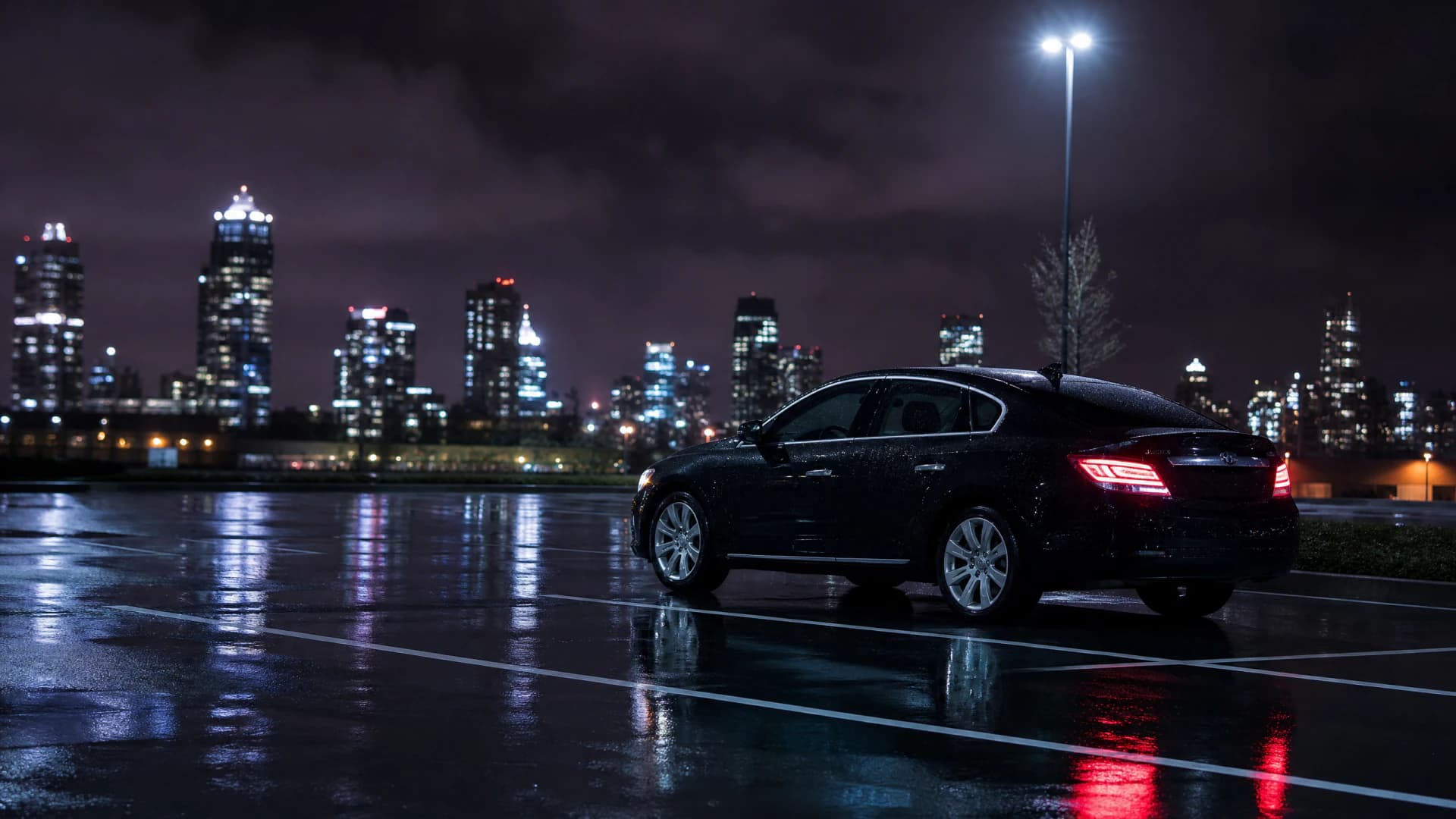
A vehicle titled to someone outside your household or garaged at a different address may disqualify your entire policy from the multi-car discount.





Other Discounts That Stack With Multi-Car Savings
Connecticut carriers offer additional discounts that apply on top of the multi-car discount when you meet eligibility requirements. Bundling your auto policy with homeowners or renters insurance—called a multi-policy or multi-line discount—reduces the premium for both policies. The multi-policy discount is separate from the multi-car discount; a household insuring three vehicles and bundling auto with home receives both discounts simultaneously.
Paperless and autopay discounts reduce the premium when you enroll in electronic delivery of policy documents and automatic payment from a bank account. Safe-driver discounts apply when every driver on the policy maintains a clean record for a specified period, typically three to five years with no at-fault accidents or moving violations. Telematics or usage-based discounts—programs like Progressive's Snapshot or Geico's DriveEasy—monitor driving behavior through a mobile app or plug-in device and adjust the premium based on mileage, braking, speed, and time of day.
Affinity discounts apply when you belong to a qualifying group: alumni associations, professional organizations, employer groups, or military service. USAA restricts eligibility to military members, veterans, and their families but offers competitive multi-car rates within that audience. Amica and New Jersey Manufacturers serve preferred-tier drivers and may require higher credit scores or cleaner driving records to qualify for their multi-car programs. Ask each carrier which discounts stack with the multi-vehicle discount before binding coverage.
18 carriers
Connecticut Multi-Car Carriers
Eighteen carriers write multi-vehicle policies in Connecticut, including standard-tier, preferred-tier, and non-standard options. Comparing quotes from at least three carriers ensures you find the best combined rate for your household's vehicles.
Connecticut carrier roster, verified 2025

When Adding a Vehicle Raises Your Premium
Adding a vehicle to your Connecticut multi-car policy triggers a full re-rating of every vehicle already on the policy, not just the new car. The carrier recalculates liability, collision, and comprehensive premiums for all vehicles based on the updated household risk profile. A newly-added vehicle driven by a young or high-risk driver increases the premium for every car on the policy because the carrier now covers that driver's access to all household vehicles.
A third or fourth vehicle may push your household into a higher-risk tier if the total number of vehicles exceeds the number of licensed drivers, signaling to the carrier that vehicles may be driven by unlisted or excluded drivers. Some carriers cap the multi-car discount at three or four vehicles; adding a fifth vehicle may receive no additional discount and may raise the per-vehicle premium if the carrier views the household as higher risk. Carriers re-rate the policy immediately when you add a vehicle mid-term, so the premium change appears on your next billing cycle, not at renewal.
How to Structure Coverage Across Multiple Vehicles
Compare quotes from at least three Connecticut carriers that write multi-vehicle policies. Request quotes for the same coverage levels—liability limits, collision and comprehensive deductibles, uninsured motorist coverage—across all carriers so you can isolate the difference in base premium and discount structure. A carrier with a lower base rate and a smaller multi-car discount may deliver a better combined premium than a carrier with a higher base rate and a larger advertised discount.
Verify that every vehicle you want covered appears on the same policy declaration page under the same named insured. If a household member currently holds a separate policy, ask the carrier whether combining both policies into one shared policy reduces the total premium after applying the multi-car discount. Confirm the garaging address for every vehicle and ask whether the carrier enforces a same-address requirement or allows exceptions for students, seasonal vehicles, or work vehicles garaged elsewhere. Document any approved exceptions in writing before binding the policy to avoid disputes at claim time or renewal.

Compare Connecticut Multi-Car Carriers Now
The multi-car discount lowers your premium only when every vehicle sits on the same policy and meets the carrier's garaging and eligibility requirements. Connecticut households insuring two or more vehicles should compare quotes from multiple carriers, verify same-policy and same-address rules, and confirm which additional discounts stack with the multi-vehicle savings. Use the comparison tool to request quotes from Connecticut carriers writing multi-car policies and find the structure that fits your household.
Same-Policy and Garaging-Address Requirements
The same-policy requirement is universal. A household with three cars split across two policies—one policy covering two vehicles, a second policy covering the third—receives no multi-car discount on either policy. The discount applies only when all three vehicles appear on a single policy declaration page. Merging the policies into one shared policy activates the discount for every vehicle. Carriers re-rate the entire policy when you add or remove a vehicle mid-term, so the discount applies immediately upon combining policies, not at the next renewal.
The garaging-address requirement varies by carrier but is common. Many Connecticut carriers require every vehicle on the policy to be garaged at the same primary address—the location where the vehicle is parked overnight most of the year. A college student's car parked at a dorm in another state, a classic car stored at a separate facility, or a work vehicle garaged at a job site may disqualify the household from the multi-car discount if the carrier enforces a strict same-address rule. Some carriers allow exceptions for students away at school or for vehicles temporarily garaged elsewhere, but the exception must be documented and approved by underwriting before the policy is issued or renewed.
Get Your Free Quote
Get My Connecticut Car Insurance QuoteFrequently Asked Questions
Does the multi-car discount apply automatically when I add a second vehicle?
The multi-car discount applies only when both vehicles sit on the same policy under the same named insured. Adding a second vehicle to your existing policy triggers the discount immediately; buying a second vehicle and insuring it on a separate policy does not. Carriers re-rate your policy when you add a vehicle mid-term, so the discount appears on your next billing cycle.
Can I get the multi-car discount if my spouse has a separate policy with the same carrier?
No. The multi-car discount requires every vehicle to appear on the same policy declaration page. Two separate policies with the same carrier do not qualify for the multi-vehicle discount, even if both policies cover household members. Combining both policies into one shared policy activates the discount for every vehicle.
What happens to my multi-car discount if I garage one vehicle at a different address?
Many Connecticut carriers require all vehicles on the policy to share a primary garaging address. A vehicle garaged at a second address may disqualify the household from the multi-car discount unless the carrier approves an exception. College students away at school and seasonal vehicles stored elsewhere sometimes qualify for exceptions, but you must document the arrangement with the carrier before binding coverage.
Do I lose the multi-car discount if I remove one vehicle from the policy?
Removing a vehicle from a multi-car policy triggers a full re-rating of the remaining vehicles. If you drop from three vehicles to two, the multi-car discount still applies to the two remaining vehicles. If you drop from two vehicles to one, the discount disappears entirely because the policy no longer covers multiple vehicles.
Which Connecticut carriers offer the best multi-car discounts?
Eighteen carriers write multi-vehicle policies in Connecticut, including Geico, Progressive, State Farm, Allstate, Travelers, and USAA. The best combined rate depends on your household's vehicles, drivers, and garaging address. A carrier with a smaller discount on a lower base premium often beats a carrier advertising a larger discount on a higher base. Compare quotes from at least three carriers to find the lowest total premium.
Can I bundle home and auto insurance on top of the multi-car discount?
Yes. The multi-policy discount for bundling auto and homeowners or renters insurance stacks with the multi-car discount. A household insuring three vehicles and bundling auto with home receives both discounts simultaneously, reducing the premium for all policies.
Does adding a teenage driver to my multi-car policy raise the premium for every vehicle?
Yes. Adding a teenage driver triggers a full re-rating of every vehicle on the policy because the carrier now covers that driver's access to all household vehicles. The premium increase applies to every car, not just the vehicle the teen drives most often.