
Lower Your Connecticut Car Insurance Rate — Multi-Car Policy
Free to compare
You Already Have the Multi-Car Discount—Why Is Your Rate Still High
You insure two or more vehicles on one Connecticut policy. Your carrier confirmed the multi-car discount is applied. But your premium is higher than you expected, or higher than what friends with similar households pay. The discount exists, but the structure of your policy—how many vehicles sit on it, where they're garaged, who owns them, and which carrier writes the coverage—determines how much you actually save.
Connecticut requires $25,000 bodily injury per person, $50,000 per accident, and $25,000 property damage. Uninsured motorist coverage is mandatory. Every vehicle on your policy must meet these minimums. The multi-car discount reduces the combined premium, but it does not change the per-vehicle coverage cost before the discount is applied. A carrier with a lower base rate and a smaller discount can beat a carrier with a higher base rate and a larger discount.
“A carrier with a lower base rate and a smaller discount can beat a carrier with a higher base rate and a larger discount.”

See What Connecticut Drivers Pay for the Coverage They Need
Get My Connecticut Car Insurance Quote$1,393.95
CT Average Annual Auto Expenditure
Connecticut drivers paid an average of $1,393.95 per insured vehicle in 2023. Households with multiple vehicles on one policy typically pay less per vehicle than this average due to the multi-car discount, but the actual savings depend on carrier, coverage selections, and household structure.
NAIC Auto Insurance Database Report 2023
The Multi-Car Discount Requires Every Vehicle on the Same Policy
The multi-car discount applies when two or more vehicles sit on the same auto insurance policy. If you own three cars but one is titled to a household member on a separate policy, that vehicle does not count toward your multi-car discount. The discount is policy-specific, not household-specific.
Most carriers also require that all vehicles share the same garaging address. If one vehicle is garaged at a second home, a college campus, or a different address, the carrier may exclude it from the multi-car discount or require a separate policy. Verify garaging address rules with your carrier before assuming all household vehicles qualify.
When you add a vehicle mid-term, the carrier re-rates the entire policy. The new vehicle's coverage cost is added, and the multi-car discount is recalculated across all vehicles. This can increase your premium more than you expected if the new vehicle is expensive to insure or if the driver assigned to it has a violation history.
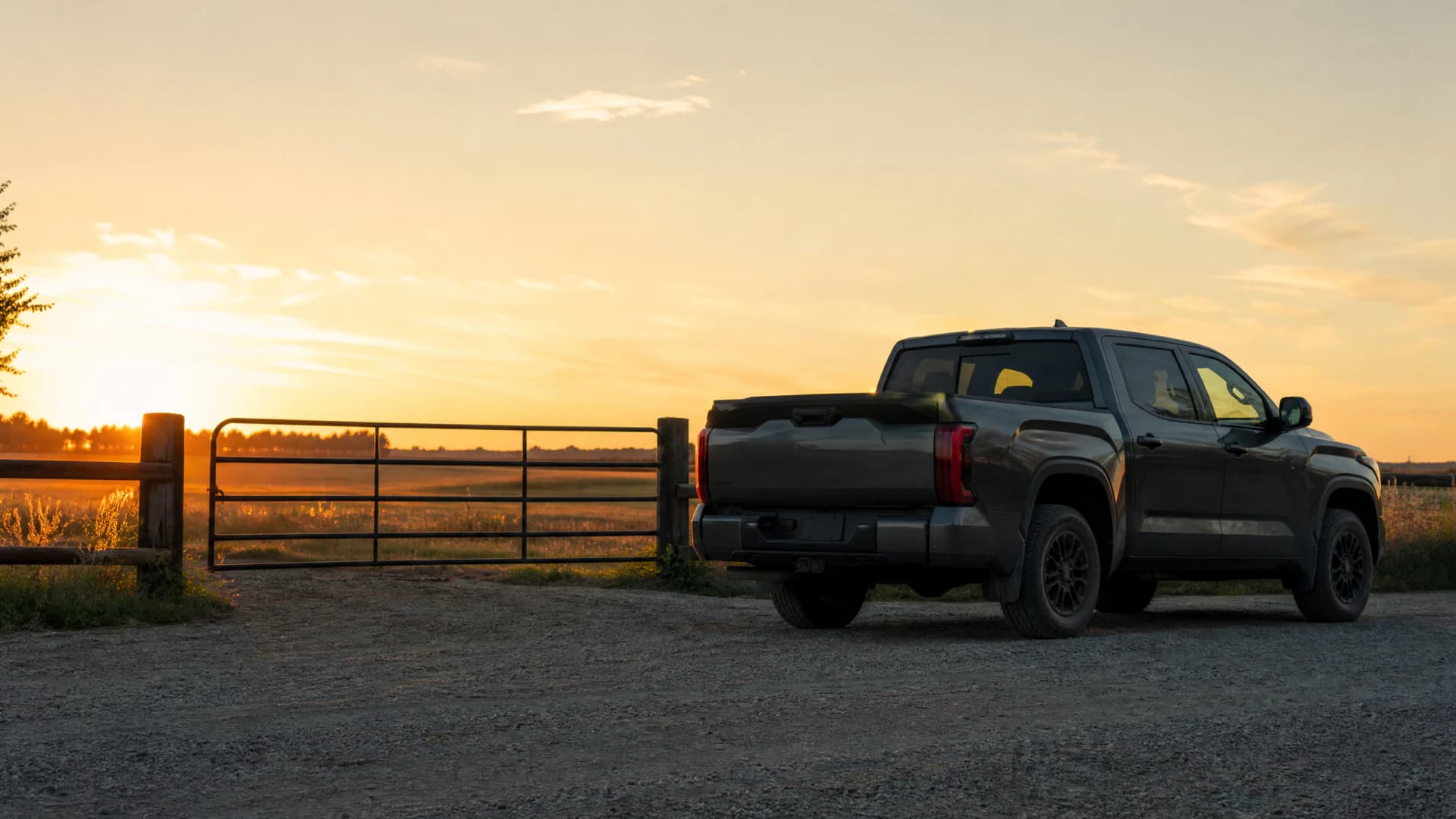
A vehicle titled to someone outside your policy does not count toward the multi-car discount, even if they live in your household.
Related Articles

Connecticut Multi-Car Insurance Cost
7/15/2026

Multi-Car Insurance Discounts in Connecticut
7/15/2026
Cheap Multi-Car Insurance Connecticut
7/15/2026

Cheapest Multi-Car Insurance in Connecticut
7/15/2026

Multi-Car Insurance Savings in Connecticut
7/15/2026
Clean-Record Multi-Car Insurance Connecticut
7/15/2026

Verify Every Vehicle on Your Policy Is Correctly Rated
Carriers rate each vehicle based on its make, model, year, garaging address, primary driver, and annual mileage. If any of these details are incorrect, you may be paying more than necessary. A vehicle listed with higher annual mileage than it actually drives, or assigned to a driver with a violation when a clean-record driver primarily uses it, increases your premium unnecessarily.
Review your policy declarations page. Confirm the garaging address for each vehicle matches where it is actually parked overnight. Confirm the primary driver assigned to each vehicle is correct. If a teenager who recently moved out for college is still listed as the primary driver of a vehicle garaged at your home, the carrier is rating that vehicle as if a young driver uses it daily. Correcting these details can lower your rate immediately.
If you recently paid off a vehicle, confirm the lienholder has been removed from your policy. Some carriers continue to require comprehensive and collision coverage as long as a lienholder is listed, even after the loan is satisfied. Removing the lienholder allows you to adjust or drop coverage on that vehicle if its value no longer justifies full coverage.
11.8%
CT Uninsured Motorist Rate
11.8% of Connecticut motorists were uninsured in 2023. Uninsured motorist coverage is mandatory in Connecticut, and it protects you when an at-fault driver has no insurance. This coverage is part of your required minimums and cannot be dropped, but verifying it is correctly applied ensures you are not paying for duplicate or excessive limits.
Insurance Research Council 2023
Bundle Home and Auto Only If It Actually Saves Money
Bundling home and auto insurance with the same carrier often produces a discount, but bundling does not always lower your total cost. Some carriers offer a larger multi-car discount than their bundling discount. Others price home insurance higher to offset the auto discount. Compare the bundled premium against separate policies with different carriers before committing.
Connecticut households paid an average of $1,814 annually for homeowners insurance in 2022. If bundling your home and auto policies increases your home premium by more than the auto discount saves, you lose money. Request separate quotes for auto-only and home-only policies, then compare the total cost against the bundled quote. Choose the structure that produces the lowest combined premium.
Compare Carriers Every Renewal Cycle
Your rate can increase at renewal even if you filed no claims and had no violations. Carriers adjust rates based on statewide loss experience, inflation, and changes in risk models. A carrier that offered the lowest rate when you first bought the policy may no longer be the cheapest option two or three years later. Compare quotes from at least three carriers at every renewal.
Connecticut law does not cap how much a carrier can increase your premium at renewal, as long as the increase applies to all policyholders in your rating class. If your renewal notice shows a rate increase, request quotes from Geico, Progressive, State Farm, Allstate, and Farmers. These carriers all write multi-car policies in Connecticut and compete for household business. Switching carriers when your current carrier raises rates is the most effective way to lower your premium without reducing coverage.
How to Lower Your Rate Without Dropping Coverage
Compare carriers that write multi-car policies in Connecticut. Allstate, Geico, Progressive, State Farm, Farmers, and USAA all write multi-vehicle households. Each carrier calculates the multi-car discount differently, and each uses a different base rate before the discount is applied. A carrier with a lower base rate and a smaller discount percentage can produce a lower total premium than a carrier with a higher base rate and a larger discount. Request quotes from at least three carriers and compare the total annual premium, not just the discount percentage.
Adjust deductibles on comprehensive and collision coverage where appropriate. If a vehicle is older and its value is low, dropping collision or raising the deductible from $500 to $1,000 can lower your premium without affecting liability coverage. Liability coverage is mandatory and cannot be reduced below Connecticut's minimums, but comprehensive and collision are optional. Evaluate each vehicle individually—keep full coverage on financed or high-value vehicles, consider dropping it on older paid-off vehicles.
Get Your Free Quote
Get My Connecticut Car Insurance QuoteFrequently Asked Questions
Does the multi-car discount apply if one vehicle is titled to my spouse on a separate policy?
No. The multi-car discount requires all vehicles to sit on the same policy. A vehicle titled to your spouse on a separate policy does not count toward your multi-car discount, even if you live in the same household. Combine both vehicles onto one policy to qualify for the discount.
Can I drop collision coverage on one vehicle and keep the multi-car discount?
Yes. The multi-car discount applies to the number of vehicles on your policy, not the coverage level on each vehicle. You can drop collision or comprehensive on older vehicles and keep the discount as long as all vehicles remain on the same policy and meet Connecticut's liability minimums.
How much does the multi-car discount save in Connecticut?
The savings depend on the carrier and how many vehicles you insure. Each carrier calculates the discount differently. Compare total annual premiums from multiple carriers rather than focusing on the discount percentage, because a smaller discount on a lower base rate often beats a larger discount on a higher base rate.
Will my rate increase if I add a third vehicle to my policy?
Yes, but not by the full cost of the third vehicle. Adding a vehicle mid-term re-rates the entire policy. The new vehicle's coverage cost is added, and the multi-car discount is recalculated across all three vehicles. The increase is typically less than the cost of insuring the third vehicle on a separate policy.
Do all carriers require the same garaging address for the multi-car discount?
Most carriers require all vehicles on a multi-car policy to share the same garaging address. If one vehicle is garaged at a second home or a college campus, the carrier may exclude it from the discount or require a separate policy. Verify garaging address rules with your carrier before adding a vehicle garaged elsewhere.
Can I get the multi-car discount if I own multiple vehicles but live alone?
Yes. The multi-car discount applies to the number of vehicles on your policy, not the number of drivers in your household. If you own and insure two or more vehicles on one policy, you qualify for the discount regardless of how many people live with you.