
Cheap Full Coverage Car Insurance — Connecticut
Free to compare
When Adding Full Coverage to Multiple Cars Costs More Than Expected
You bought a second car, called your carrier to add full coverage, and the quote came back higher than you expected—not just the cost of insuring the new vehicle, but a jump across the whole policy. Or you're combining two households after a move and trying to figure out whether merging two separate policies into one actually lowers the combined premium, or whether you're better off keeping them apart.
The structural reality: Connecticut's multi-car discount exists, but it only applies when every vehicle in the household sits on the same policy and shares the same garaging address. A car titled to a household member on a different policy doesn't count. A vehicle garaged at a second address may not qualify. And adding a vehicle mid-term re-rates the entire policy, not just the new car, which is why the premium jump feels disproportionate.
“A smaller discount on a lower base rate can beat a larger discount on a higher one.”

See What Connecticut Drivers Pay for the Coverage They Need
Get My Connecticut Car Insurance Quote$25,000 / $50,000 / $25,000
Connecticut Minimum Liability
Connecticut requires $25,000 bodily injury per person, $50,000 per accident, and $25,000 property damage. Full coverage adds collision and comprehensive on top of this floor, and uninsured motorist coverage is mandatory statewide.
Connecticut DMV
What Full Coverage Actually Covers Across Multiple Vehicles
Full coverage means liability plus collision plus comprehensive on every vehicle. Liability covers damage you cause to others. Collision covers your own car in a crash. Comprehensive covers theft, weather, vandalism, and animal strikes. Connecticut also mandates uninsured motorist coverage, which protects you when the at-fault driver has no insurance—11.8% of Connecticut motorists are uninsured as of 2023.
When you insure two or more vehicles, each car carries its own collision and comprehensive coverage with its own deductible. The liability limit applies per accident, not per vehicle, so one $50,000 bodily injury per accident limit covers all cars on the policy. Adding a second vehicle doesn't double your liability premium, but it does add the collision and comprehensive cost for that specific car.
The multi-car discount reduces the per-vehicle premium when every car sits on one policy. Most carriers require the vehicles to share a garaging address and be titled to the same household. A car titled to your adult child living elsewhere, or a vehicle garaged at a vacation property, may not qualify for the same-policy discount even if you own it.
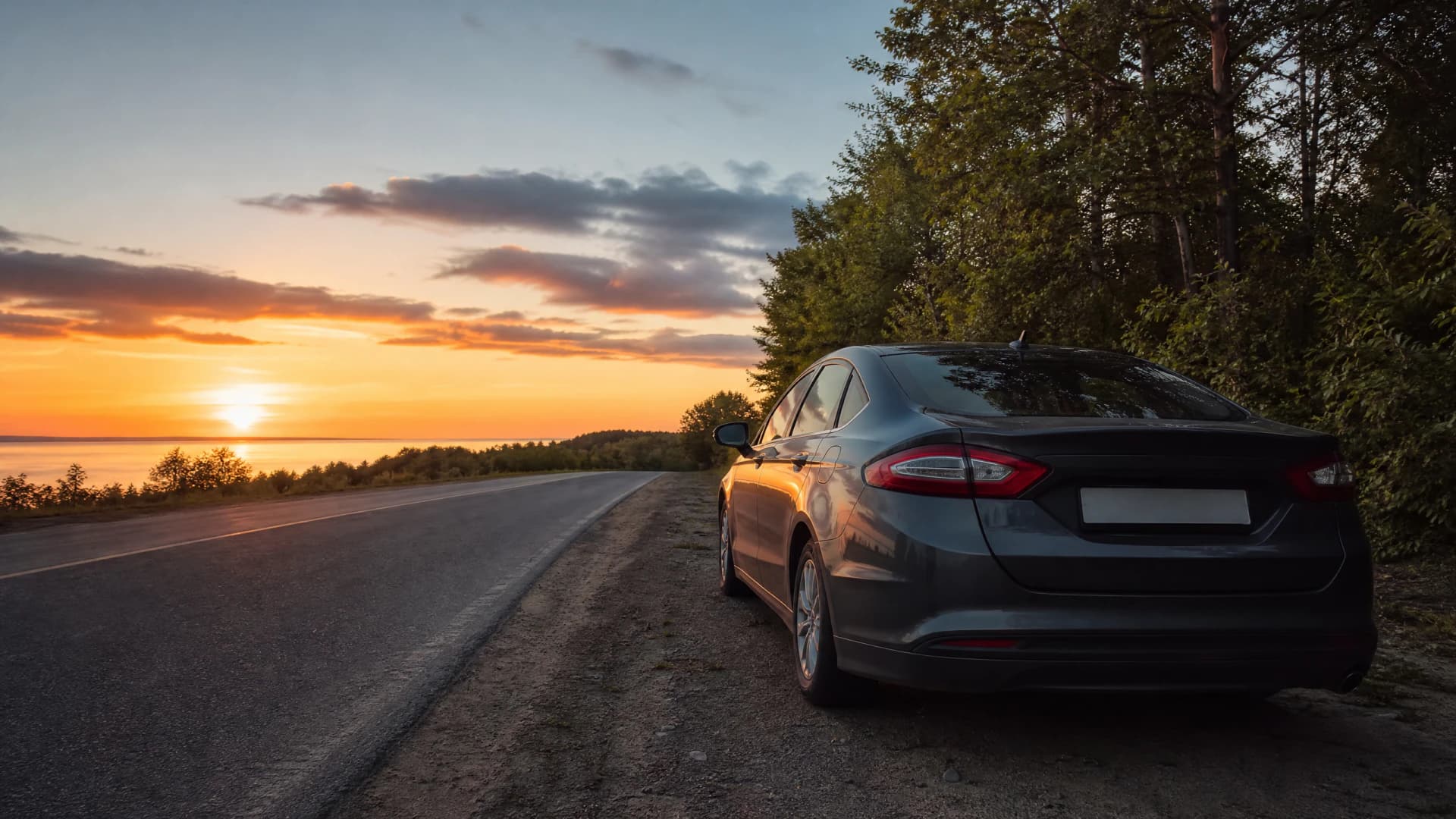
The multi-car discount vanishes if even one household vehicle sits on a separate policy or is garaged at a different address.
Related Articles





When Separate Policies Cost Less Than One Combined Policy
A smaller discount on a lower base rate can beat a larger discount on a higher one. If one household member qualifies for a preferred rate and the other doesn't—because of driving history, age, or vehicle type—combining them onto one policy can pull the preferred driver's rate up more than the multi-car discount pulls it down.
Married couples combining policies after a move often assume one shared policy always saves money. It usually does, but not always. If one spouse drives a high-performance car and the other drives a sedan, and the high-performance car's collision premium is steep, the combined policy's base rate may be high enough that the multi-car discount doesn't offset it. Run quotes both ways: one combined policy versus two separate policies.
Teen drivers present the same calculation. Adding a teen to the family policy raises the premium across every vehicle because the teen is a rated driver on the household. Some families save money by placing the teen on a separate policy covering only the car the teen drives, especially if the teen's car is older and doesn't carry collision coverage. The loss of the multi-car discount on the family policy may be smaller than the increase from rating the teen across all vehicles.
19 carriers
Connecticut Multi-Car Carriers
Nineteen carriers write auto insurance in Connecticut and offer multi-vehicle policies. Not all write the same household profiles—some specialize in preferred drivers, others in non-standard risks. Compare carriers that write your specific vehicle count and driver mix.
Connecticut Insurance Department
Which Carriers Write Multi-Car Policies in Connecticut
State Farm, Geico, Progressive, Allstate, and Travelers all write multi-car policies in Connecticut and advertise multi-vehicle discounts. USAA writes multi-car policies for military-affiliated households. Farmers, Liberty Mutual, Nationwide, and Hartford write standard multi-car coverage. Bristol West, Dairyland, National General, and The General write non-standard multi-car policies for households with violations or lapses.
Carriers differ on what qualifies for the multi-car discount. Some require every vehicle to be titled to the same person. Others allow vehicles titled to different household members as long as they share a garaging address. Some carriers count a vehicle titled to an adult child living at home; others don't. These rules aren't published on carrier websites—you find out when you request the quote.
Compare Carriers That Write Your Vehicle Count and Driver Profile
The cheapest carrier for a single-car household is rarely the cheapest for a three-car household. Carriers price multi-car policies differently: some apply a flat per-vehicle discount, others tier the discount by vehicle count, and a few apply the discount only to collision and comprehensive, not to liability. You won't know which structure works best for your household until you compare quotes with your actual vehicle count, driver ages, and coverage selections entered.
Connecticut's online insurance verification system tracks every vehicle's coverage in real time, so gaps show up immediately. When you're comparing quotes, confirm each carrier's grace period for adding a newly-purchased vehicle—most give you 14 to 30 days to report the new car before coverage lapses. Missing that window can leave the new vehicle uninsured even though you're paying for a multi-car policy.
How Adding a Vehicle Re-Rates the Entire Policy
Carriers calculate premium by household risk, not by individual vehicle in isolation. Adding a second car changes the household's total exposure: more miles driven annually, more drivers potentially using each vehicle, and a different claims probability. The carrier recalculates the premium for every vehicle already on the policy using this updated profile, which is why the total increase feels larger than just the new car's standalone cost.
The multi-car discount offsets part of this increase, but only when the new vehicle qualifies. A car titled to someone outside the household, or a vehicle you're adding temporarily while a household member is away, may not count toward the discount. If the new vehicle doesn't qualify, you pay the re-rated premium without the offsetting discount, and the combined cost can exceed what you'd pay on two separate policies.
Get Your Free Quote
Get My Connecticut Car Insurance QuoteFrequently Asked Questions
Does full coverage cost more for two cars than for one in Connecticut?
Full coverage for two cars costs more in total than for one, but the per-vehicle cost is usually lower because of the multi-car discount. The discount applies when both vehicles sit on the same policy and share a garaging address. Adding a second car re-rates the entire policy, not just the new vehicle.
Can I insure two cars on separate policies in Connecticut?
Yes. You can insure two cars on separate policies in Connecticut, and it may cost less if one vehicle qualifies for a preferred rate and the other doesn't. Compare one combined policy against two separate policies to see which structure gives you the lower combined premium.
What is the multi-car discount in Connecticut?
The multi-car discount reduces the per-vehicle premium when you insure two or more vehicles on the same policy. Most Connecticut carriers require the vehicles to share a garaging address and be titled to the same household. The discount size varies by carrier and isn't published.
Do I need uninsured motorist coverage for every car in Connecticut?
Connecticut requires uninsured motorist coverage on every auto policy. The coverage applies per accident, not per vehicle, so one uninsured motorist limit covers all cars on the policy. You don't pay separately for each vehicle.
How long do I have to add a new car to my Connecticut policy?
Most Connecticut carriers give you 14 to 30 days to report a newly-purchased vehicle before coverage lapses. The grace period varies by carrier. Confirm your carrier's specific window when you buy the car, and report it within that period to avoid a coverage gap.
Can I get full coverage for an older car in a multi-car policy?
Yes, but collision and comprehensive coverage on an older car may cost more annually than the car's value. If the car is worth less than ten times the annual collision and comprehensive premium, dropping those coverages and keeping only liability usually makes sense. The multi-car discount still applies to the liability portion.