
Car Insurance Cost — Connecticut
Free to compare
What Drives Multi-Vehicle Policy Cost in Connecticut
You added a second car to your Connecticut policy and the premium jumped more than you expected. Or you're combining two separate policies after a household change and cannot tell whether the combined rate will be higher or lower. The confusion stems from how carriers price multi-vehicle policies: the discount applies to the policy structure, not to each car individually, and every vehicle addition triggers a full re-rating of the entire policy.
Connecticut mandates $25,000 bodily injury per person, $50,000 per accident, and $25,000 property damage as minimum liability limits, plus uninsured motorist coverage. Those minimums anchor the base cost, but the total premium for a household with multiple vehicles depends on how the carrier structures the discount, how many drivers share the policy, where the vehicles are garaged, and whether every car sits on the same policy or split across separate ones.
“Adding a vehicle re-rates the entire policy, not just the new car — the multi-car discount does not lock in a per-vehicle rate.”

See What Connecticut Drivers Pay for the Coverage They Need
Get My Connecticut Car Insurance Quote$25,000/$50,000/$25,000
Connecticut Liability Minimums
Connecticut requires $25,000 bodily injury per person, $50,000 per accident, and $25,000 property damage as the floor for legal operation. Uninsured motorist coverage is also mandatory. These minimums apply to every vehicle on the policy.
Connecticut DMV
The Multi-Car Discount Applies to Policy Structure, Not Per-Vehicle Rates
The multi-car discount is not a flat percentage off each vehicle. It is a policy-level adjustment that carriers apply when two or more vehicles sit on the same policy, garaged at the same address, and titled to household members. The discount lowers the combined premium compared to insuring each car on a separate policy, but it does not guarantee that adding a third or fourth vehicle will cost less per car than the first two.
When you add a vehicle mid-term, the carrier re-rates the entire policy. The new vehicle's risk profile — year, make, model, garaging location, primary driver — combines with the existing vehicles' profiles to produce a new total premium. A high-value or high-theft-risk vehicle can raise the policy premium more than the multi-car discount offsets, even though the discount is still applied.
Carriers writing multi-vehicle policies in Connecticut include State Farm, Geico, Progressive, Allstate, Travelers, USAA, Liberty Mutual, Farmers, National General, Hartford, Nationwide, and others. Each structures the multi-car discount differently: some apply a larger discount to the second vehicle, some spread the discount evenly across all vehicles, and some tie the discount size to the total number of cars on the policy.
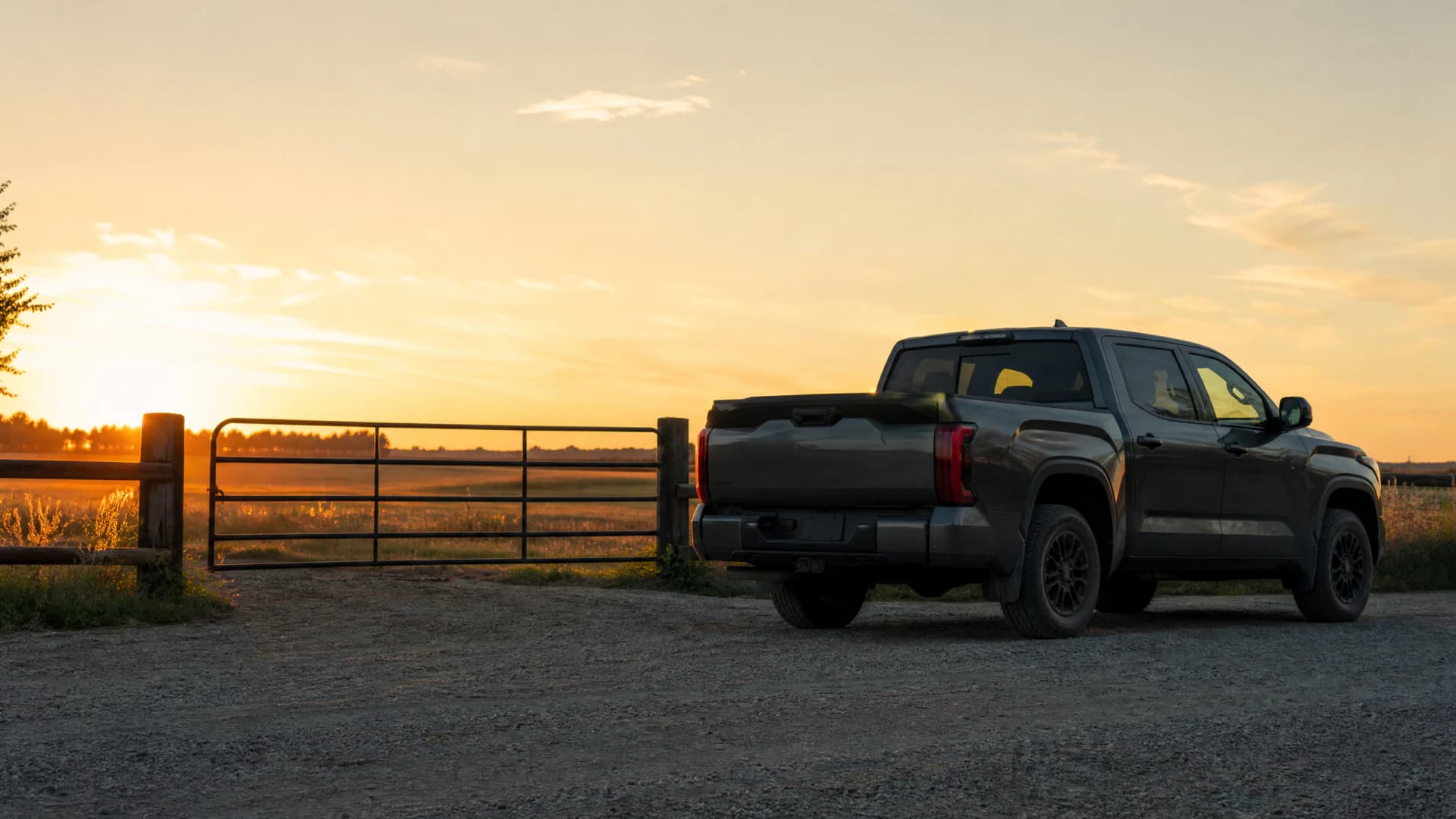
Adding a vehicle re-rates the entire policy, not just the new car. The multi-car discount does not lock in a per-vehicle rate.
Related Articles






When a Vehicle Titled Outside the Household Blocks the Discount
The multi-car discount requires every vehicle on the policy to be titled to a household member and garaged at the same address. A car titled to a parent, adult child, or other relative living elsewhere does not qualify for the same-policy discount, even if you want to insure it alongside your own vehicles. Carriers treat that vehicle as a separate risk and either require a separate policy or decline to insure it at all.
Connecticut does not use SR-22 certificates. Proof of insurance is monitored electronically through the state's Online Insurance Verification System under Connecticut General Statutes §14-112a. When a household member moves out and takes a vehicle with them, that car must come off the shared policy within the carrier's grace period — typically 30 days — or the policy may deny a claim involving that vehicle.
If you own multiple vehicles but one is rarely driven or stored off-site, ask the carrier whether comprehensive-only coverage or a storage policy fits. Keeping a rarely-driven car on a full-coverage multi-vehicle policy costs more than necessary, and removing it can lower the total premium without losing the multi-car discount on the remaining vehicles.
11.8%
Connecticut Uninsured Motorist Rate
11.8% of Connecticut motorists drove uninsured in 2023. Uninsured motorist coverage is mandatory in Connecticut and protects your household when an at-fault driver has no insurance. The cost of this coverage rises with the number of vehicles on the policy.
Insurance Research Council, 2023

Comparing Carriers That Write Multi-Vehicle Policies in Connecticut
Not every carrier structures the multi-car discount the same way. State Farm and USAA typically offer preferred-tier pricing for households with clean records and multiple vehicles. Geico, Progressive, and National General write standard-tier multi-vehicle policies and often quote competitively for households with mixed driving records. Allstate, Travelers, and Hartford write multi-car policies across both preferred and standard tiers.
When comparing carriers, request quotes that include every vehicle and every driver in the household. A carrier that quotes the lowest rate for one vehicle may not remain the lowest when the second or third car is added, because the multi-car discount structure varies. Some carriers front-load the discount on the second vehicle; others spread it evenly across all vehicles. The only way to know which structure benefits your household is to compare the total policy premium, not the per-vehicle breakdown.
Compare Multi-Vehicle Quotes Across Connecticut Carriers
The next step is to request quotes from at least three carriers that write multi-vehicle policies in Connecticut, providing the same coverage limits, deductibles, and household details to each. Compare the total policy premium, not just the per-vehicle cost, because the multi-car discount applies at the policy level. If you are combining policies after a household change, ask each carrier how they handle the transition and whether they offer a better rate for the combined policy than the sum of the two separate ones. Connecticut's mandatory uninsured motorist coverage and the state's electronic verification system mean every vehicle on the policy must meet the $25,000/$50,000/$25,000 minimums, so confirm that every quote reflects those requirements before comparing.
How Combining Policies After Marriage or a Move Changes Cost
When two separate policies combine, the carrier re-rates based on the household's total driver and vehicle count. If both spouses have clean records and similar vehicles, the multi-car discount typically lowers the combined premium below what the two separate policies cost. If one spouse has a recent violation or a high-risk vehicle, the combined policy may cost more than keeping the policies separate, because the higher-risk profile now affects the entire household policy.
Connecticut allows uninsured motorist coverage stacking when multiple vehicles sit on one policy, which can raise the premium slightly but provides broader protection. Carriers also re-evaluate garaging location when policies combine: if one spouse's address carried a lower rate and the combined policy uses the other spouse's higher-rate ZIP code, that shift alone can offset part of the multi-car discount.
Get Your Free Quote
Get My Connecticut Car Insurance QuoteFrequently Asked Questions
Does adding a second car to my Connecticut policy always lower the per-vehicle cost?
Not always. The multi-car discount lowers the combined premium compared to two separate policies, but adding a high-value or high-risk vehicle can raise the total policy cost more than the discount offsets. The carrier re-rates the entire policy when you add a vehicle, so the new total depends on every vehicle's risk profile.
Can I combine my spouse's car insurance policy with mine in Connecticut?
Yes, if both vehicles are titled to household members and garaged at the same address. Combining policies typically saves money through the multi-car discount, but if one spouse has a recent violation or a high-risk vehicle, the combined policy may cost more than keeping them separate.
What happens if I add a car titled to someone outside my household?
The multi-car discount requires every vehicle on the policy to be titled to a household member and garaged at the same address. A car titled to someone living elsewhere does not qualify for the same-policy discount, and most carriers will require a separate policy or decline to insure it.
How does Connecticut's uninsured motorist requirement affect multi-car policy cost?
Connecticut mandates uninsured motorist coverage on every policy. The cost of this coverage rises with the number of vehicles on the policy, and some carriers allow stacking, which increases the total available coverage but also raises the premium slightly.
Do I need to meet Connecticut's minimum liability limits for every car on my policy?
Yes. Every vehicle on a Connecticut policy must carry at least $25,000 bodily injury per person, $50,000 per accident, and $25,000 property damage, plus uninsured motorist coverage. The state monitors compliance electronically through the Online Insurance Verification System.
Which Connecticut carriers offer the best multi-car discounts?
State Farm, USAA, Geico, Progressive, Allstate, Travelers, and Hartford all write multi-vehicle policies in Connecticut, but each structures the discount differently. The only way to know which carrier offers the lowest total premium for your household is to compare quotes with every vehicle and driver included.