
Progressive Multi-Car Insurance — Connecticut
Free to compare
Does Progressive Write Multi-Car Policies in Connecticut
Progressive writes auto insurance in Connecticut and offers multi-car policies for households insuring two or more vehicles. The carrier is licensed statewide (NAIC 24260, group 155, AM Best A+ rating) and writes standard-tier coverage including multi-vehicle policies. You can quote and bind online for multiple vehicles at once.
The multi-car discount applies when you insure every household vehicle on the same Progressive policy under the same named insured. If vehicles are titled to different household members or sit on separate policies, the discount does not apply to either policy. This same-policy requirement is the structural blocker most households encounter when adding a second or third car.
“The multi-car discount applies only when every household vehicle sits on the same Progressive policy under the same named insured.”

See What Connecticut Drivers Pay for the Coverage They Need
Get My Connecticut Car Insurance Quote$25,000 / $50,000 / $25,000
Connecticut Minimum Liability
Connecticut requires $25,000 bodily injury per person, $50,000 per accident, and $25,000 property damage. Every vehicle on your Progressive policy must carry at least these limits. Uninsured motorist coverage is also mandatory.
Connecticut DMV
How the Multi-Car Discount Works on a Progressive Policy
The multi-car discount reduces the premium for each vehicle when you insure two or more cars on the same Progressive policy. The discount is applied per vehicle, not as a flat amount off the total. The more vehicles you add, the larger the combined reduction, but each vehicle's discount is calculated individually based on its own rating factors.
Progressive requires every vehicle to be garaged at the same address and listed under the same named insured. If you own three cars but title one to a spouse who maintains a separate policy, that vehicle does not count toward your multi-car discount. The same-policy requirement is absolute: the discount applies only when every household vehicle appears on one policy document.
When you add a vehicle mid-term, Progressive re-rates the entire policy rather than simply adding a flat charge. The new vehicle's premium is calculated, the multi-car discount is recalculated across all vehicles, and the policy premium adjusts accordingly. This re-rating can produce a smaller increase than you expect if the new vehicle qualifies for a strong discount, or a larger one if the vehicle's risk profile is high.
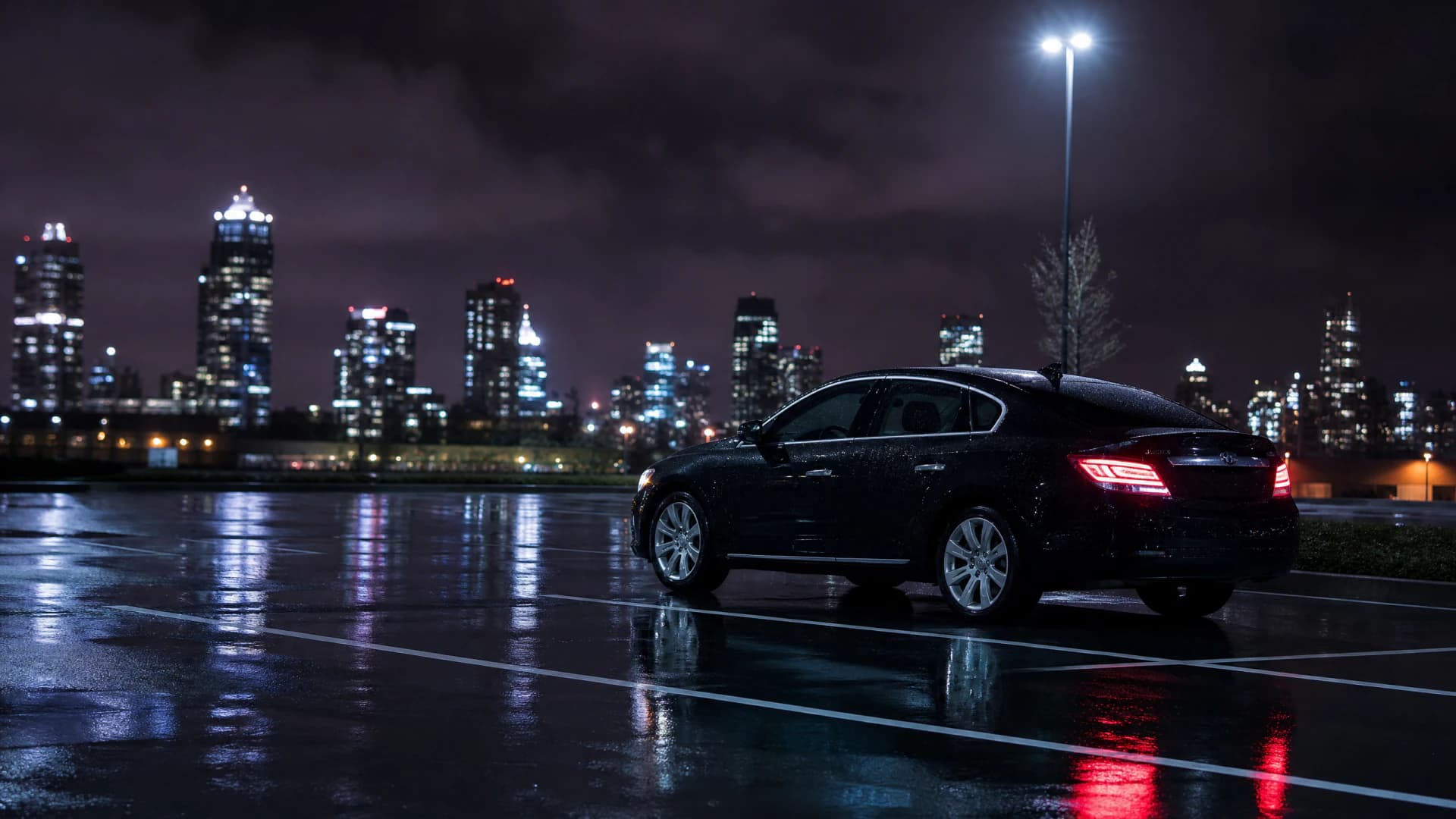
The multi-car discount applies only when every household vehicle sits on the same Progressive policy under the same named insured. Vehicles on separate policies do not qualify.
Related Articles



Combining Two Policies After Marriage or a Household Move
When two household members each carry a separate Progressive policy and want to combine them, Progressive treats this as a new policy application. You'll quote a new multi-car policy listing every vehicle and every driver, then cancel the two existing policies once the new one binds. The combined policy applies the multi-car discount to every vehicle, but the total premium is not simply the sum of the two prior policies.
The combined policy re-rates every vehicle and every driver together. If one spouse has a clean record and the other has a recent violation, the violation affects the entire household's rate. If one policy carried higher liability limits and the other carried state minimums, you'll need to choose a single set of limits for the combined policy. The multi-car discount can offset some of the increase from adding a higher-risk driver, but it does not eliminate it.
Progressive allows you to bind the new policy with a future effective date, so you can time the cancellation of the old policies to avoid a coverage gap. Cancel the old policies only after the new multi-car policy is active. If you cancel first and then apply, you'll have a lapse, and Progressive will rate the new policy as a lapsed-coverage applicant, which costs more.
11.8%
Connecticut Uninsured Motorist Rate
11.8% of Connecticut motorists drive uninsured. Uninsured motorist coverage is mandatory in Connecticut and protects you when an at-fault driver has no insurance. Every vehicle on your Progressive policy must carry this coverage.
Insurance Research Council, 2023
When a Household Vehicle Cannot Go on the Same Policy
A vehicle titled to someone outside your household cannot be added to your Progressive policy. If your adult child lives at a different address and owns a car titled in their name, that vehicle must sit on a separate policy. Progressive's multi-car discount does not extend across policies, even if both policies are with Progressive and both policyholders are related.
If a household member has a suspended license or a violation that makes them uninsurable under your policy, Progressive may require that driver to obtain a separate non-standard policy. In this case, you cannot combine their vehicle with yours, and neither policy qualifies for the multi-car discount. The structural requirement is that every vehicle and every driver on the policy must be insurable together under the same underwriting tier.
Compare Progressive Against Other Connecticut Multi-Car Carriers
Progressive is one of 19 carriers writing auto insurance in Connecticut. Other carriers writing multi-car policies in the state include State Farm, Geico, Allstate, Travelers, Nationwide, and Liberty Mutual. Each carrier's multi-car discount structure, same-policy requirements, and household-driver rules differ. A carrier that rates one household's vehicles lower may rate another's higher based on driver age, violation history, and vehicle mix.
When comparing carriers, quote every household vehicle and every household driver together on the same application. Do not quote vehicles separately and then try to combine them later — the multi-car discount applies only when every vehicle is quoted together from the start. Request identical coverage limits, deductibles, and optional coverages across every quote so you're comparing the same policy structure. The lowest total premium for your household's specific mix of vehicles and drivers is the correct comparison point, not the advertised discount percentage.
Adding a Second or Third Vehicle to Your Progressive Policy
Progressive's grace period for newly acquired vehicles is typically 14 to 30 days, depending on your state and policy terms. During this window, the new vehicle is automatically covered under your existing policy's liability and any physical-damage coverages you carry on other vehicles. After the grace period expires, an unreported vehicle is not covered, and a claim on that car will be denied. You must contact Progressive and formally add the vehicle to avoid this gap.
To add a vehicle, you'll need the VIN, title information, and the vehicle's primary garaging address. If the new car is financed or leased, Progressive will require the lienholder's name and address to list them on the policy. The carrier will re-rate your policy immediately, applying the multi-car discount to all vehicles. Your premium adjusts at the time of the addition, not at renewal, and you'll owe the prorated increase for the remainder of the term.
Get Your Free Quote
Get My Connecticut Car Insurance QuoteFrequently Asked Questions
Does Progressive offer a multi-car discount in Connecticut?
Yes. Progressive offers a multi-car discount in Connecticut when you insure two or more vehicles on the same policy under the same named insured. The discount is applied per vehicle and requires every household car to be listed on one policy.
Can I add a vehicle to my Progressive policy mid-term in Connecticut?
Yes. Progressive allows you to add a vehicle mid-term. The carrier gives you a grace period (typically 14 to 30 days) to report the new vehicle. After you add it, Progressive re-rates your entire policy and applies the multi-car discount to all vehicles.
Can I combine two separate Progressive policies into one multi-car policy?
Yes. You can combine two separate Progressive policies by quoting a new multi-car policy listing every vehicle and every driver, then canceling the old policies once the new one binds. The combined policy applies the multi-car discount to every vehicle.
Does Progressive require every vehicle to be garaged at the same address for the multi-car discount?
Yes. Progressive requires every vehicle on the policy to be garaged at the same address. If a household member's car is garaged elsewhere, that vehicle must sit on a separate policy and does not qualify for the multi-car discount.
What happens if I don't report a new vehicle to Progressive within the grace period?
If you don't report a new vehicle within Progressive's grace period (typically 14 to 30 days), the vehicle is not covered. A claim on that car will be denied. You must contact Progressive and formally add the vehicle to maintain coverage.
Can I insure a vehicle titled to someone outside my household on my Progressive policy?
No. Progressive does not allow you to insure a vehicle titled to someone outside your household. The vehicle must be titled to a household member listed on your policy. Vehicles titled to non-household members require separate policies.