
Geico Multi-Car Coverage — Connecticut
Free to compare
Does Geico Write Multi-Car Policies in Connecticut
Geico writes multi-car policies in Connecticut. The carrier is licensed statewide (NAIC 22063, AM Best A++ rating) and offers standard tier coverage for households insuring two or more vehicles on a single policy. You can add a second, third, or fourth vehicle to an existing Geico policy, and the carrier applies a multi-vehicle discount when every car sits on the same policy under the same household address.
Connecticut households shopping multi-car coverage often compare Geico against other carriers writing Connecticut to see which combination of base rate and multi-vehicle discount produces the lowest total premium. Geico's online quote tool handles multi-vehicle households, and the carrier writes non-owner policies for drivers who need coverage without owning a car. The structural question is not whether Geico writes multi-car policies — it does — but how its pricing for your specific household vehicle mix compares to Progressive, State Farm, Allstate, and other carriers in the Connecticut roster.
“Adding a vehicle mid-term re-rates your entire policy, not just the cost of the new car.”

See What Connecticut Drivers Pay for the Coverage They Need
Get My Connecticut Car Insurance Quote$25,000 / $50,000 / $25,000
Connecticut Minimum Liability
Connecticut requires $25,000 bodily injury per person, $50,000 bodily injury per accident, and $25,000 property damage. Every vehicle on your multi-car policy must carry at least these limits, and uninsured motorist coverage is mandatory.
Connecticut DMV
How Geico's Multi-Vehicle Discount Works
Geico applies a multi-vehicle discount when you insure two or more cars on the same policy. The discount structure requires every vehicle to be titled or registered to the same household and garaged at the same address. If you add a second car mid-term, Geico re-rates the entire policy rather than simply adding a flat amount for the new vehicle.
The re-rating process recalculates premium for every car on the policy based on the updated household risk profile. A household adding a newer vehicle with comprehensive and collision coverage will see a larger premium increase than a household adding an older car with liability-only coverage. The multi-vehicle discount applies to the recalculated total, not to the original premium.
Connecticut households combining two existing single-car policies into one multi-car policy often discover that the combined premium is lower than the sum of the two separate policies, but not always. The outcome depends on whether the household's combined risk profile qualifies for a better tier than either car held individually. Geico evaluates the entire household when you combine policies: every driver, every vehicle, every coverage selection.
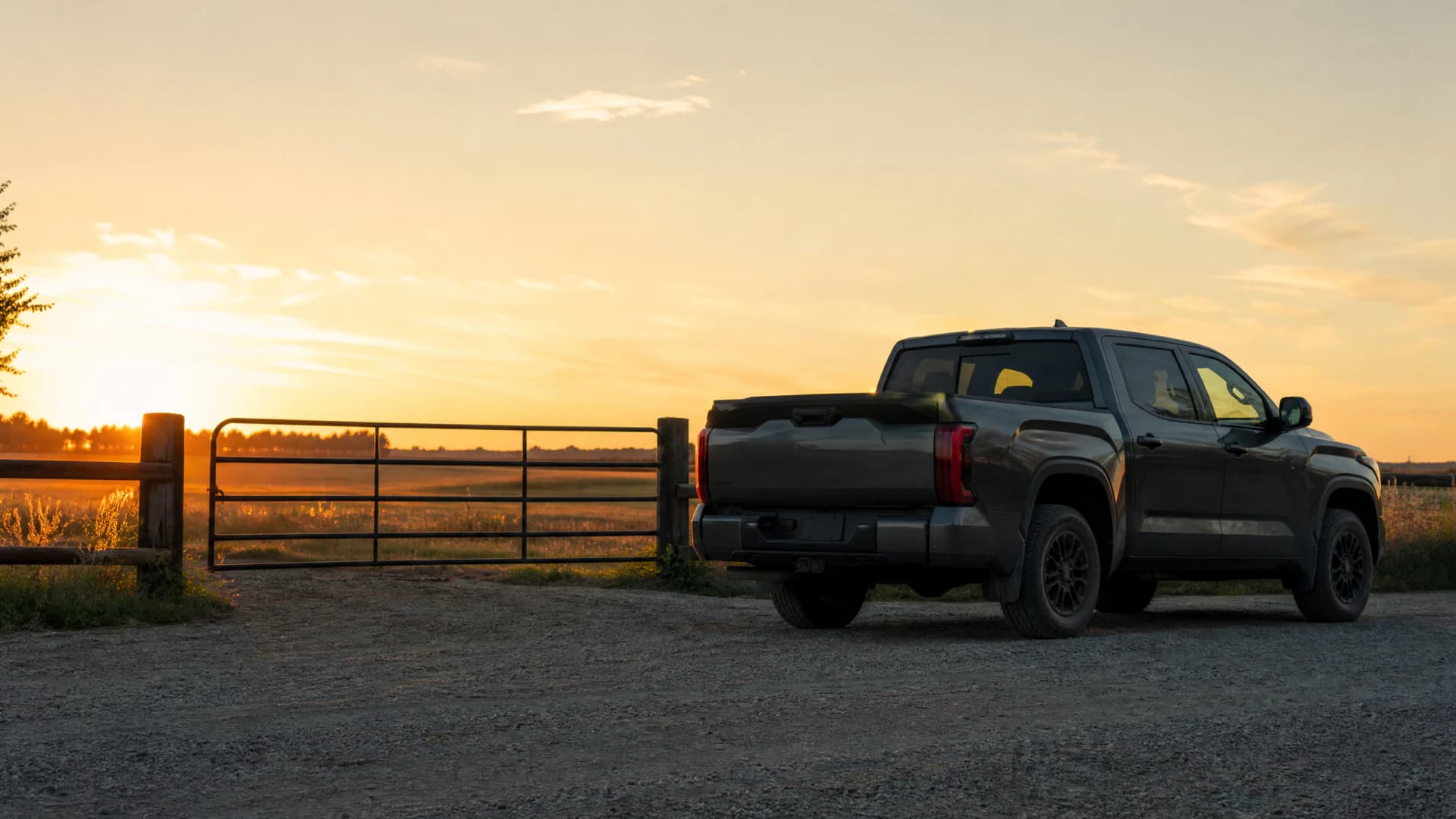
Adding a vehicle mid-term re-rates your entire policy. The multi-vehicle discount applies to the new total, not the old premium plus the cost of the added car.
Related Articles






Comparing Geico Against Other Connecticut Carriers
Connecticut's carrier roster includes 19 insurers writing multi-car policies, and Geico competes in the standard tier alongside Progressive, State Farm, Allstate, Liberty Mutual, Travelers, and Nationwide. Non-standard carriers such as Bristol West, Dairyland, The General, and National General write households with violations or lapses that standard-tier carriers decline.
The structural difference between carriers is not the existence of a multi-vehicle discount — nearly every carrier offers one — but the base rate each carrier assigns to your household's specific combination of vehicles, drivers, and coverage selections. A household with two sedans and clean driving records will see different carrier rankings than a household with a sedan and a pickup truck, one driver under 25, and a recent at-fault accident.
Geico's online quote tool produces a bindable quote for multi-car households in minutes, and you can adjust coverage limits and deductibles to see how each change affects the total premium. Progressive and State Farm offer similar online tools. Comparing three to five carriers side by side is the only way to identify which combination of base rate and multi-vehicle discount produces the lowest total cost for your specific household.
19 carriers
Connecticut Multi-Car Roster
Nineteen carriers write multi-car policies in Connecticut, spanning standard, preferred, and non-standard tiers. Geico, Progressive, State Farm, Allstate, and Travelers compete in the standard tier; Bristol West, Dairyland, and The General write non-standard households.
Connecticut Department of Insurance

When a Household Member's Car Cannot Be Added
Geico requires every vehicle on a multi-car policy to be titled or registered to a member of the same household and garaged at the same address. A car titled to someone outside the household — a roommate, an adult child living elsewhere, or a parent at a different address — cannot be added to your policy, even if you are listed as a driver on that vehicle.
Connecticut households combining policies after marriage or a move sometimes discover that one spouse's car cannot be added until the title is transferred or the registration address is updated. Geico will not add a vehicle with a garaging address that does not match the policy address, and the carrier verifies garaging addresses against state registration records. If the vehicle's registration shows a different address, you must update the registration with the Connecticut DMV before Geico will add it to your policy.
Compare Carriers for Your Household
Geico writes multi-car policies in Connecticut, and the carrier's standard tier access and online quote tool make it a straightforward option for households with clean driving records. The question is not whether Geico writes your household, but whether Geico's base rate and multi-vehicle discount combination produces a lower total premium than Progressive, State Farm, Allstate, or another carrier in the Connecticut roster. Compare bindable quotes from three to five carriers, adjust coverage limits and deductibles to match across quotes, and choose the carrier that delivers the coverage you need at the lowest total cost for every vehicle on your policy.
What Geico Requires to Add a Vehicle
You must provide the vehicle identification number (VIN), the exact garaging address, the title holder's name, and the primary driver's license information. Geico verifies the VIN against state registration records and checks whether the vehicle is financed or leased. If the vehicle has a lienholder, Geico adds the lienholder as an additional interest on the policy, and comprehensive and collision coverage become mandatory.
Connecticut allows a grace period for newly purchased vehicles, but Geico's specific grace window varies by policy terms. Most carriers provide 14 to 30 days of automatic coverage for a newly acquired vehicle if you already insure at least one car with them, but you must report the new vehicle within that window to maintain coverage. Missing the deadline means the new car was never covered, and a claim filed after the grace period expires will be denied.
Get Your Free Quote
Get My Connecticut Car Insurance QuoteFrequently Asked Questions
Does Geico offer a multi-car discount in Connecticut?
Yes. Geico applies a multi-vehicle discount when you insure two or more cars on the same policy, with every vehicle titled to the same household and garaged at the same address.
Can I add a car to my Geico policy if it is titled to someone else?
No. Geico requires every vehicle on a multi-car policy to be titled or registered to a member of the same household. A car titled to someone outside the household cannot be added, even if you are listed as a driver.
How long do I have to add a newly purchased car to my Geico policy?
Geico provides a grace period for newly acquired vehicles, typically 14 to 30 days, if you already insure at least one car with them. You must report the new vehicle within that window to maintain coverage. Missing the deadline means the car was never covered.
Does adding a second car to my Geico policy increase my premium?
Yes. Adding a vehicle re-rates your entire policy based on the updated household risk profile. The multi-vehicle discount applies to the new total premium, not to your original premium plus a flat amount for the added car.
What information does Geico need to add a car to my policy?
Geico requires the vehicle identification number (VIN), the exact garaging address, the title holder's name, and the primary driver's license information. If the vehicle is financed or leased, Geico adds the lienholder and requires comprehensive and collision coverage.
Can I combine two separate Geico policies into one multi-car policy?
Yes, if both policies cover vehicles titled to the same household and garaged at the same address. Geico re-rates the combined policy based on the entire household risk profile, and the multi-vehicle discount applies to the new total.