
Liability-Only Car Insurance — Connecticut
Free to compare
What Liability-Only Means for Multiple Vehicles
You own two or more cars and want to meet Connecticut's legal minimum without paying for collision or comprehensive coverage on every vehicle. Liability-only insurance covers damage you cause to others — their injuries and their property — but pays nothing to repair or replace your own cars after an accident, theft, or weather damage. Connecticut requires $25,000 per person and $50,000 per accident in bodily injury liability, $25,000 in property damage liability, and uninsured motorist coverage at the same limits. That four-part combination is the state minimum, and it applies to every vehicle you register.
The multi-car discount reduces your total premium when you insure two or more vehicles on the same policy, but it applies to the policy as a whole, not to the coverage level you choose for each car. You can carry liability-only on one vehicle and full coverage on another, and the discount still applies. The confusion comes when households assume dropping collision on one car automatically makes that car cheaper than keeping full coverage on it — the discount structure means the comparison is more complicated than it looks.
“The multi-car discount applies to the policy, not to each vehicle's coverage level — dropping collision on one car saves less than you expect.”

See What Connecticut Drivers Pay for the Coverage They Need
Get My Connecticut Car Insurance Quote$25,000 / $50,000 / $25,000
Connecticut Liability Minimum
Bodily injury per person, bodily injury per accident, and property damage per accident. Uninsured motorist coverage at the same limits is also mandatory. Every vehicle you register must carry this four-part combination.
Connecticut DMV
How the Multi-Car Discount Works with Liability-Only Coverage
The multi-car discount is a policy-level reduction, not a per-vehicle reduction. When you insure two cars on one policy, the carrier discounts the combined premium — typically by reducing the base rate or applying a percentage off the total. That discount applies whether you carry liability-only on both cars, full coverage on both, or a mix. The discount does not change based on the coverage level you choose for each vehicle.
Where households get tripped up: a liability-only premium on a single-car policy is lower than a full-coverage premium on that same car, but when you add a second vehicle to the policy, the multi-car discount applies to the new combined premium. If you carry full coverage on car A and liability-only on car B, the discount reduces the total premium for both cars together. The liability-only car is not priced in isolation — it is priced as part of a two-car policy, and the discount reflects that structure.
This matters when you are deciding whether to drop collision and comprehensive on an older or rarely-driven vehicle. The savings from dropping coverage on that car are real, but they are smaller than you would see if that car sat on its own policy, because the multi-car discount already reduced the combined premium. The decision is still worth making if the car's value is low enough that collision and comprehensive premiums exceed what you would recover in a total-loss claim, but the math is not as simple as comparing single-car premiums.
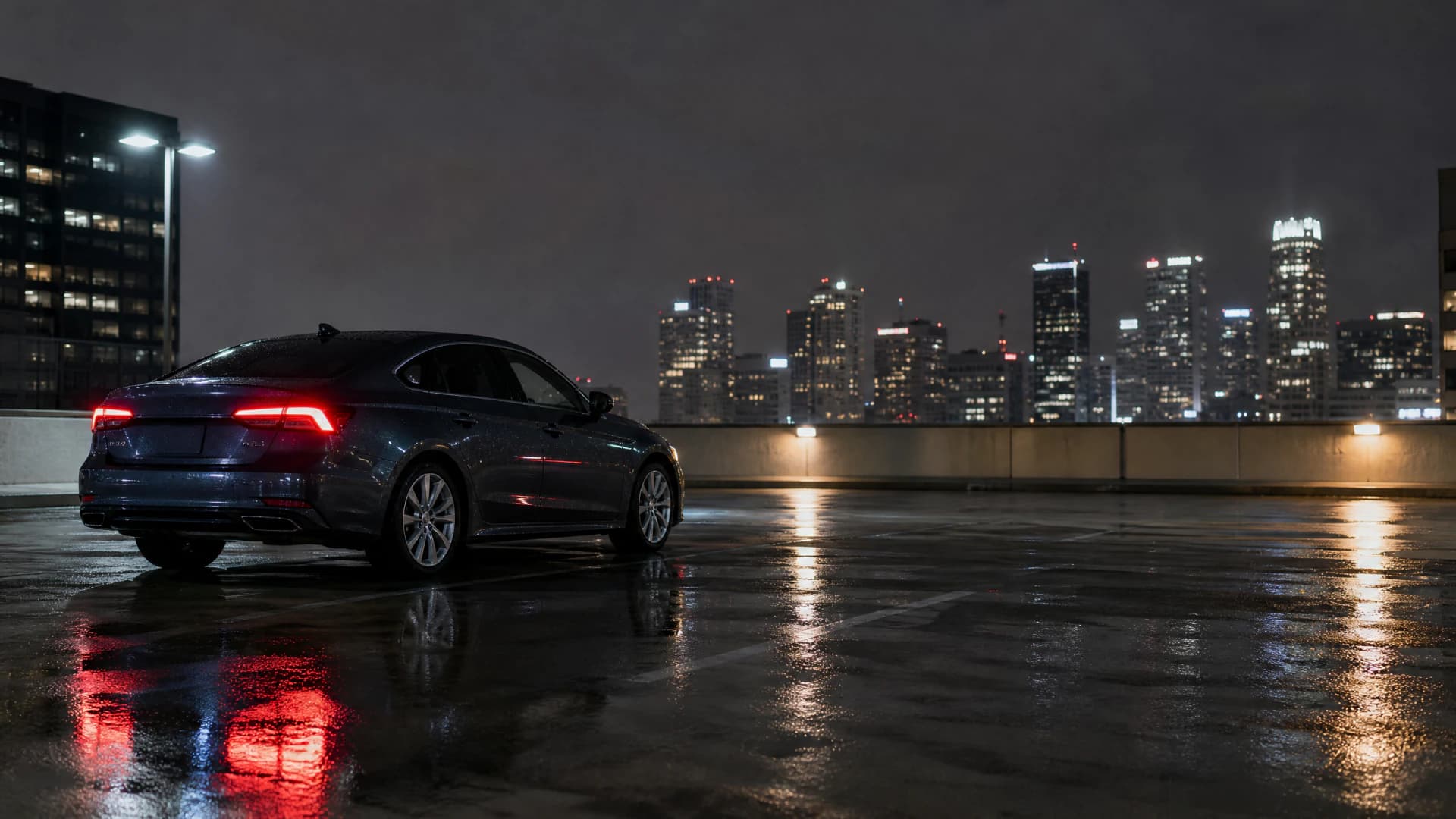
The multi-car discount applies to the policy, not to each vehicle's coverage level. Dropping collision on one car saves money, but less than you would save if that car sat on its own policy.
Related Articles






Structuring Coverage Across Multiple Vehicles
You do not need to carry the same coverage level on every car. Connecticut law requires liability and uninsured motorist coverage on every registered vehicle, but collision and comprehensive are optional. A common structure: full coverage on the newer or higher-value car, liability-only on the older or rarely-driven car. Both cars sit on the same policy, the multi-car discount applies to the combined premium, and you pay for collision and comprehensive only where the car's value justifies it.
When you add a third or fourth vehicle, the same logic applies. The multi-car discount grows as you add vehicles, but the discount applies to the total premium, not to each car individually. Carriers calculate the discount differently — some apply a percentage off the total, some reduce the base rate per car, some cap the discount at a certain number of vehicles — but the result is the same: the more cars on the policy, the lower the per-car cost, regardless of coverage level.
One structural quirk: if a household member owns a car titled in their name and wants to keep it on a separate policy, that car does not count toward your multi-car discount. The discount requires every vehicle to sit on the same policy. If you are combining policies after marriage or a move, or adding a newly-licensed driver's car to the family policy, make sure the vehicle is titled to someone on the policy or that the carrier allows cross-titling. Some carriers require the policyholder to be listed as an owner or co-owner; others allow a household member's car as long as it is garaged at the same address.
19 carriers
Connecticut Auto Insurance Roster
Carriers writing auto insurance in Connecticut include Allstate, Geico, Progressive, State Farm, Travelers, USAA, Farmers, Liberty Mutual, Nationwide, and ten others. Not all carriers offer the same multi-car discount structure, and not all write liability-only policies for every vehicle type.
Connecticut Department of Insurance

When Liability-Only Coverage Is Not Enough
Liability-only coverage meets Connecticut's legal minimum but does not protect your household from every financial risk. If you finance or lease any vehicle on the policy, the lender requires collision and comprehensive coverage until the loan is paid off. Dropping those coverages triggers a lender notification, and the lender will force-place coverage at a much higher cost. For financed vehicles, full coverage is not optional.
Even for cars you own outright, liability-only coverage leaves you exposed to uninsured drivers who cause accidents. Connecticut requires uninsured motorist coverage, which pays for your injuries when an uninsured driver hits you, but it does not pay to repair your car. Underinsured motorist property damage coverage is optional in Connecticut, and it fills that gap — it pays to fix your car when the at-fault driver's liability limit is too low to cover the damage. If you carry liability-only coverage and an uninsured driver totals your car, you pay to replace it yourself.
Compare Carriers That Write Multi-Car Liability Policies
Not every carrier structures multi-car discounts the same way, and not every carrier writes liability-only policies for all vehicle types. Geico, Progressive, State Farm, and Allstate all write multi-car policies in Connecticut and allow you to carry different coverage levels on different vehicles. USAA writes multi-car policies for military members and their families and offers competitive rates for liability-only coverage on older vehicles. Travelers and Hartford both write in Connecticut and allow mixed coverage levels across a multi-car policy.
When you compare carriers, ask how the multi-car discount applies when you drop collision and comprehensive on one vehicle. Some carriers recalculate the discount when you change coverage levels mid-term; others lock the discount at policy inception and adjust it only at renewal. Ask whether the carrier requires all vehicles to be garaged at the same address, whether cross-titled vehicles qualify for the discount, and whether adding a third or fourth vehicle increases the discount or caps it. The answers vary by carrier, and the difference can be significant when you are structuring coverage across three or four cars with different values and different coverage needs.
What You Give Up with Liability-Only Coverage
Collision coverage pays to repair or replace your car after an accident, regardless of who caused it. Comprehensive coverage pays for theft, vandalism, fire, weather damage, and animal strikes. Liability-only policies exclude both. If your car is totaled in an accident you caused, or stolen from your driveway, or damaged by a fallen tree, you pay the full replacement cost out of pocket.
The decision turns on the car's value and your ability to replace it without insurance. A $500 or $1,000 deductible on collision and comprehensive coverage makes sense when the car is worth enough that losing it would disrupt your household. When the car's value drops below two or three times the annual cost of those coverages, liability-only becomes the better choice. For a rarely-driven third car or an older vehicle you could replace with savings, dropping collision and comprehensive keeps the multi-car policy affordable without leaving you overexposed.
Get Your Free Quote
Get My Connecticut Car Insurance QuoteFrequently Asked Questions
Can I carry liability-only on one car and full coverage on another on the same policy?
Yes. Connecticut law requires liability and uninsured motorist coverage on every registered vehicle, but collision and comprehensive are optional. You can carry full coverage on your newer car and liability-only on an older car, and both sit on the same policy with the multi-car discount applied to the combined premium.
Does the multi-car discount still apply if I drop collision on one vehicle?
Yes. The multi-car discount is a policy-level reduction, not a per-vehicle reduction. Dropping collision and comprehensive on one car reduces your total premium, but the multi-car discount still applies to the combined premium for all vehicles on the policy.
What is the minimum liability coverage required in Connecticut?
$25,000 per person and $50,000 per accident in bodily injury liability, $25,000 in property damage liability, and uninsured motorist coverage at the same limits. Every vehicle you register must carry this four-part combination.
Will my lender allow me to drop collision and comprehensive coverage?
No. If you finance or lease a vehicle, the lender requires collision and comprehensive coverage until the loan is paid off. Dropping those coverages triggers a lender notification, and the lender will force-place coverage at a higher cost.
Does liability-only coverage pay to fix my car if an uninsured driver hits me?
No. Uninsured motorist coverage, which Connecticut requires, pays for your injuries when an uninsured driver causes an accident, but it does not pay to repair your car. Underinsured motorist property damage coverage is optional and fills that gap.
How many vehicles can I insure on one policy in Connecticut?
Most carriers allow you to insure as many vehicles as your household owns on a single policy. The multi-car discount typically grows as you add vehicles, though some carriers cap the discount at three or four cars.
Can I add a car titled to a household member to my multi-car policy?
It depends on the carrier. Some require the policyholder to be listed as an owner or co-owner on the title. Others allow a household member's car as long as it is garaged at the same address. Ask your carrier before adding a cross-titled vehicle.