
Moving to Connecticut Car Insurance Documents
Free to compare
What You Need When You Arrive
You moved to Connecticut with two cars, went to register them at the DMV, and discovered the state verifies insurance electronically through the Online Insurance Verification System. No paper card required at the counter. But the registration clerk told you that you still need proof of insurance in each vehicle, and your out-of-state carrier's cards may not satisfy a Connecticut traffic stop. You need to know which documents to request before you register, which your carrier automatically sends, and which you physically carry in each car.
Connecticut separates registration proof from roadside proof. The DMV pulls your coverage status directly from the carrier database when you register a vehicle. You do not hand over an insurance card. But Connecticut General Statutes §14-213 requires every driver to carry proof of financial responsibility while operating the vehicle. That proof must show the policy number, the vehicle identification number, the coverage period, and the carrier name. Your out-of-state cards likely show all four, but Connecticut officers expect Connecticut-formatted cards after you establish residency.
“Connecticut registers vehicles electronically but still requires physical proof in each car during operation.”

See What Connecticut Drivers Pay for the Coverage They Need
Get My Connecticut Car Insurance Quote$25,000 / $50,000 / $25,000
Connecticut Liability Minimums
Connecticut requires $25,000 bodily injury per person, $50,000 bodily injury per accident, and $25,000 property damage. Your carrier must file these minimums electronically before the DMV will register your vehicles.
Connecticut General Statutes §38a-334
How Connecticut Verifies Coverage at Registration
Connecticut DMV registers vehicles only when the Online Insurance Verification System confirms active coverage meeting state minimums. Your carrier reports your policy to the state database within 24 hours of binding coverage. When you present your title and out-of-state registration at the DMV counter, the clerk enters your VIN and policy number into the verification system. If the system returns a match showing $25,000/$50,000/$25,000 liability or higher, the registration proceeds. If the system shows no coverage or coverage below minimums, the registration is denied on the spot.
This creates a sequencing requirement when you move in with multiple vehicles. Each car needs its own active Connecticut policy or must be listed on a single Connecticut multi-vehicle policy before you attempt to register it. If you bought coverage from an out-of-state carrier that does not report to Connecticut's verification system, the DMV will not see the policy and will treat the vehicle as uninsured. You must bind coverage with a carrier licensed in Connecticut and wait 24 to 48 hours for the electronic filing to populate the state database before scheduling your registration appointment.
Connecticut does not accept an insurance card, a binder letter, or a carrier email confirmation as proof at registration. The verification system is the sole source of truth. If your carrier has not yet reported the policy, bring documentation showing the policy number, effective date, and VIN, and ask the DMV clerk to retry the lookup. Most filings appear within 24 hours, but system delays occasionally push the window to 48 hours.
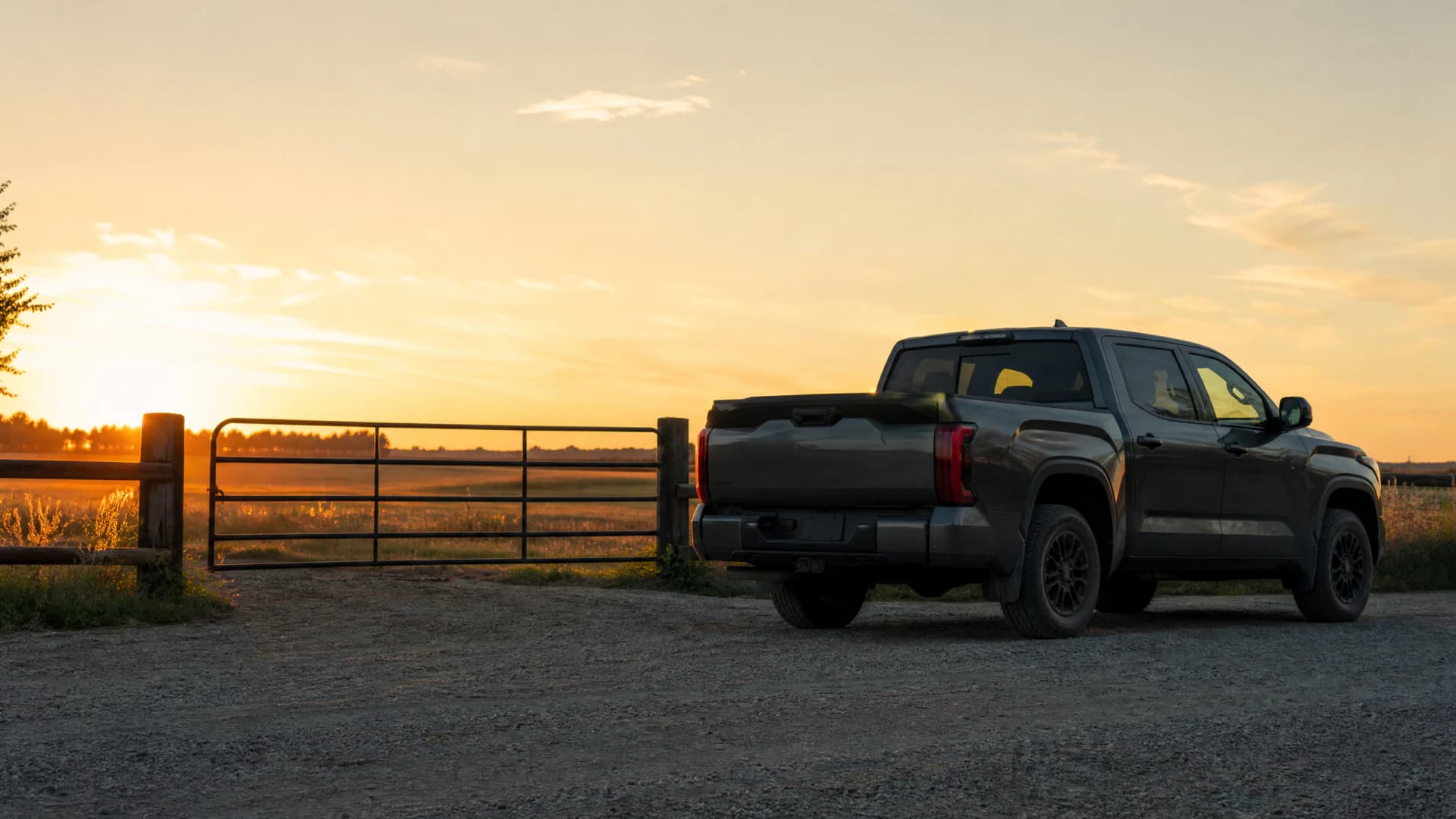
Connecticut's electronic system registers your cars without a paper card, but state law still requires physical proof in each vehicle during operation. The DMV and the roadside requirements are separate.
Related Articles



What Happens If You Register Before Coverage Populates
If you attempt to register a vehicle before your carrier's electronic filing reaches the Connecticut DMV database, the registration is denied. The clerk cannot override the verification system. You leave without plates and must return after the filing populates. This delay is common when drivers buy coverage the same day they visit the DMV. The carrier binds the policy immediately, but the electronic filing to the state database takes 24 to 48 hours to process.
To avoid a wasted trip, bind coverage at least two business days before your DMV appointment. Confirm with your carrier that the policy includes every vehicle you plan to register and that each VIN matches your title exactly. A single-digit VIN error will cause a verification mismatch and block registration. When you bind a multi-vehicle policy, ask the carrier to confirm that all vehicles are included in the electronic filing, not just the first car listed. Some carriers file the primary vehicle immediately and add secondary vehicles in a batch update 24 hours later, which can create a registration gap for the second and third cars.
If the DMV clerk cannot locate your policy in the verification system and you have documentation showing the policy is active, ask the clerk to manually enter your policy number and retry the lookup. Occasionally the system requires the exact formatting the carrier used when filing. If the retry fails, contact your carrier from the DMV office and request confirmation that the electronic filing was submitted. Most carriers can see the filing timestamp in their system and can resubmit if the original filing was rejected due to a data error.
11.8%
Connecticut Uninsured Motorist Rate
Your multi-vehicle policy must include UM coverage at the same limits as your liability coverage unless you reject it in writing.
Insurance Research Council, 2023

Carrying Proof in Each Vehicle After Registration
Connecticut General Statutes §14-213 requires every driver to produce proof of insurance when requested by a law enforcement officer. The statute does not specify the format, but Connecticut courts have consistently ruled that a physical insurance card showing the policy number, VIN, coverage dates, and carrier name satisfies the requirement. A digital card displayed on a phone is accepted by most officers, but the statute does not explicitly authorize electronic proof, so some municipalities still issue citations for failure to produce a physical card. To avoid ambiguity, keep the mailed card in each vehicle's glove compartment and save a PDF copy of each card on your phone as backup.
When you insure multiple vehicles on one Connecticut policy, each car receives its own card showing that specific VIN. Do not carry the card for Car A in Car B. A traffic stop in Car B with Car A's card will be treated as no proof, because the VIN on the card does not match the vehicle being operated. If you lose a card, contact your carrier and request a replacement for that specific VIN. Most carriers mail a replacement within 5 business days or email a printable PDF immediately.
Compare Connecticut Carriers for Multi-Vehicle Policies
Connecticut licenses 19 carriers that write multi-vehicle policies and report electronically to the state verification system. Not every carrier offers the same multi-car discount structure, and not every carrier processes electronic filings at the same speed. Compare Connecticut car insurance carriers that write policies covering two or more vehicles, confirm each carrier's filing timeline, and verify that the carrier issues separate physical cards for each vehicle on the policy. Binding coverage with a carrier that meets Connecticut's electronic filing requirements and mails cards within 5 business days eliminates registration delays and ensures you have roadside proof in every car before your first drive.
Which Documents Your Carrier Sends
The electronic filing happens without your involvement. Within 24 hours of binding coverage, your carrier transmits your policy details to the Connecticut DMV's Online Insurance Verification System. The filing includes your policy number, each vehicle's VIN, the coverage effective date, the liability limits, and the carrier's NAIC code. This filing is what the DMV clerk sees when you register your vehicles. You do not request it, you do not receive a confirmation of it, and you cannot verify it yourself. The carrier handles the entire process as a statutory obligation under Connecticut General Statutes §14-112a.
The physical insurance cards arrive separately, typically by mail within 5 to 10 business days of binding coverage, though some carriers email a printable PDF within 24 hours. Each card lists the policy number, the policyholder name, the vehicle year/make/model, the VIN, the coverage effective and expiration dates, and the carrier contact number. Connecticut law requires one card per vehicle. If you insure three cars on one policy, your carrier mails three cards. Keep one card in each vehicle's glove compartment.
Get Your Free Quote
Get My Connecticut Car Insurance QuoteFrequently Asked Questions
Can I register a car in Connecticut with an out-of-state insurance policy?
No. Connecticut DMV requires coverage from a carrier licensed in Connecticut and reporting to the state's Online Insurance Verification System. Out-of-state policies do not populate the verification database, so the DMV treats the vehicle as uninsured and denies registration.
How long does it take for my insurance to show up in Connecticut's system?
Most carriers file electronically within 24 hours of binding coverage, but the state database can take up to 48 hours to reflect the update. Bind coverage at least two business days before your DMV registration appointment to avoid delays.
Do I need a separate insurance card for each car on my policy?
Yes. Connecticut requires proof of insurance in every vehicle, and the card must show the VIN of the car being operated. If you insure three vehicles on one policy, your carrier issues three cards, one per VIN.
What happens if I get pulled over in Connecticut without an insurance card?
Connecticut General Statutes §14-213 requires drivers to produce proof of insurance when requested.
Can I show my insurance card on my phone during a traffic stop?
Connecticut law does not explicitly authorize electronic proof, though most officers accept a digital card displayed on a phone. To avoid ambiguity, keep the physical card in each vehicle's glove compartment and save a PDF copy on your phone as backup.
What if the DMV says my insurance is not in the system but I have a policy?
Ask the clerk to manually enter your policy number and retry the lookup. If the retry fails, contact your carrier from the DMV office and confirm the electronic filing was submitted. Most carriers can see the filing timestamp and resubmit if the original filing was rejected.