
Minimum vs Full Coverage — Connecticut
Free to compare
The Multi-Vehicle Coverage Decision
You own two or three cars, and you're trying to decide whether to carry Connecticut's minimum liability limits on every vehicle or add collision and comprehensive to some or all of them. The question isn't just what each coverage type pays for — it's whether you can mix coverage levels across vehicles on the same policy, and what happens to your multi-car discount when you do.
Connecticut requires $25,000 bodily injury per person, $50,000 bodily injury per accident, and $25,000 property damage on every registered vehicle. Uninsured motorist coverage is also mandatory. That's the floor. Full coverage adds collision (pays for damage to your car in an accident regardless of fault) and comprehensive (pays for theft, vandalism, weather damage, and animal strikes). Most households insuring multiple vehicles choose different coverage levels for different cars — full coverage on the financed sedan, minimum on the paid-off truck — but the decision affects more than just what gets repaired after a claim.
“The multi-car discount applies to the entire policy regardless of which vehicles carry full coverage — you can insure three cars with different coverage levels and still qualify.”
See What Connecticut Drivers Pay for the Coverage They Need
Get My Connecticut Car Insurance Quote$25,000/$50,000/$25,000
Connecticut Minimum Liability
Every registered vehicle in Connecticut must carry at least $25,000 bodily injury per person, $50,000 bodily injury per accident, and $25,000 property damage. Uninsured motorist coverage is also mandatory under state law.
Connecticut DMV
What Minimum Coverage Actually Covers Across Multiple Vehicles
Minimum coverage in Connecticut means liability-only insurance on each car. If you cause an accident, your liability coverage pays for the other driver's injuries and property damage up to your policy limits. It does not pay to repair your own vehicle. If someone hits your parked car and drives off, or if you slide into a guardrail on ice, you pay out of pocket to fix your car unless you carry collision coverage.
When you insure multiple vehicles with minimum coverage, each car is covered for liability separately. If your teenager drives the family sedan and causes an accident, the sedan's liability limits apply. If you're driving the truck and cause a separate accident the same week, the truck's liability limits apply. The per-person and per-accident limits are per occurrence, not shared across all vehicles on the policy.
Uninsured motorist coverage is mandatory in Connecticut and protects you when someone without insurance hits you. It pays for your injuries up to your policy limits. Connecticut has an 11.8% uninsured motorist rate, so this coverage matters. Minimum coverage includes it; full coverage includes it at the same limits unless you buy higher uninsured motorist limits separately.
The structural reality: minimum coverage leaves every vehicle on your policy exposed to total loss if you cause an accident or if an uninsured driver hits you and flees. For a household with three cars, that's three separate exposures. Full coverage closes that gap on a per-vehicle basis — you choose which cars get collision and comprehensive, and which stay liability-only.
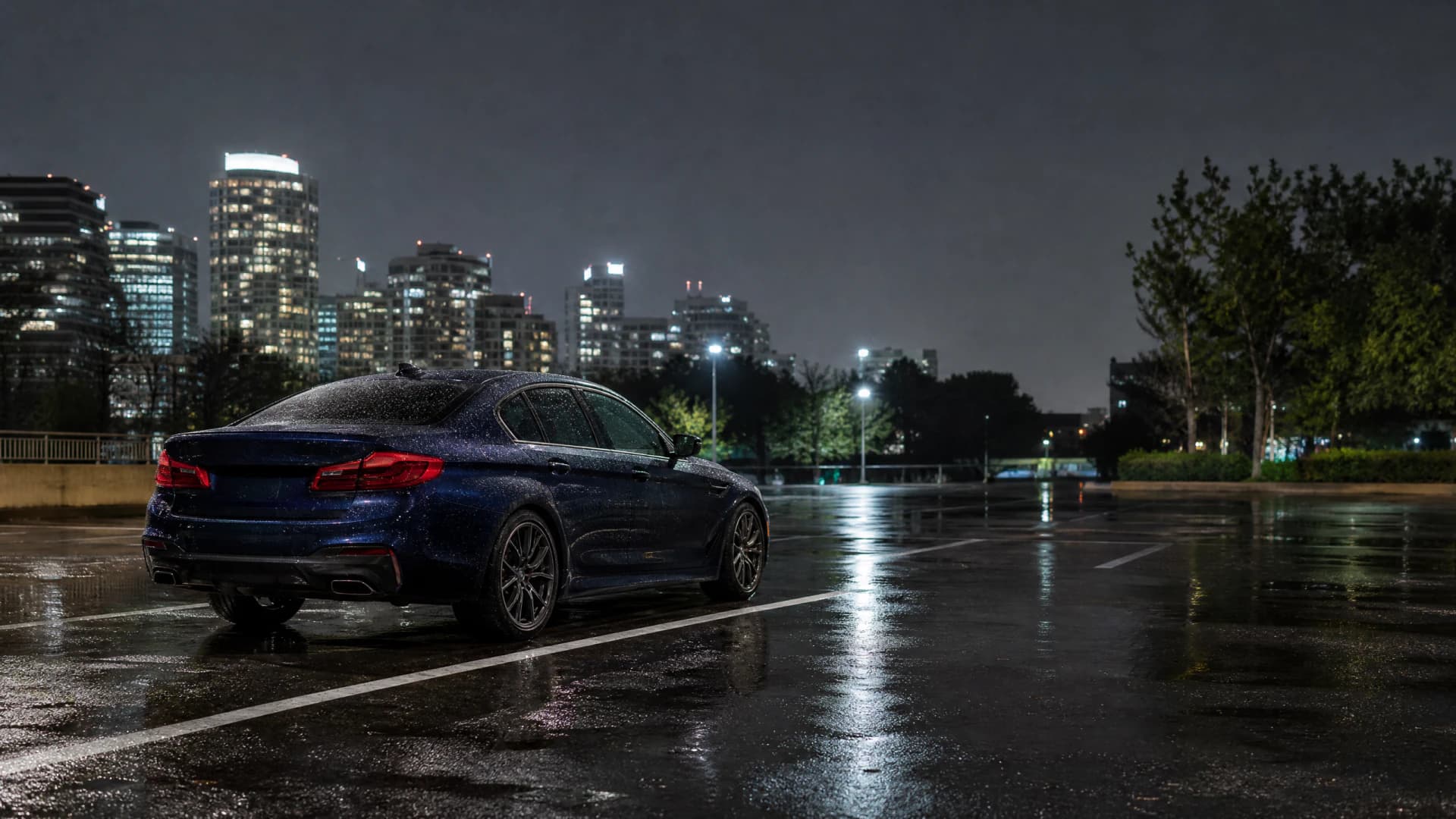
The multi-car discount applies to the entire policy, but collision and comprehensive are priced per vehicle — you can carry full coverage on one car and minimum on another without losing the discount.





When Full Coverage Makes Sense Per Vehicle
The decision to carry full coverage on a specific vehicle comes down to the car's value and whether you can afford to replace it out of pocket. A conventional threshold: if the vehicle is worth less than ten times the annual collision and comprehensive premium, consider dropping those coverages.
Lien holders require full coverage. If you finance or lease a vehicle, the lender will require collision and comprehensive until the loan is paid off. You cannot drop those coverages without violating the loan agreement. Once the car is paid off, the choice is yours. For households insuring multiple vehicles, this often means full coverage on the newest car and minimum coverage on older paid-off vehicles.
Connecticut's weather and theft patterns matter. The state sees winter ice storms, coastal flooding, and a motor vehicle theft rate of 236.9 per 100,000 population. Comprehensive coverage pays for weather damage and theft. If you park a high-value vehicle outside in a high-theft area, comprehensive coverage is often worth carrying even on a paid-off car. If you garage a low-value car in a rural area, the risk-reward calculation shifts the other way.
236.9 per 100,000
Connecticut Vehicle Theft Rate
Connecticut's motor vehicle theft rate in 2024 was 236.9 thefts per 100,000 population. Comprehensive coverage pays for theft and is priced based on garaging location and vehicle type.
Connecticut state insurance statistics, 2024

Mixing Coverage Levels Without Losing the Multi-Car Discount
The multi-car discount applies when you insure two or more vehicles on the same policy with the same carrier. The discount is a percentage reduction on the total premium, not a per-vehicle credit. Carriers in Connecticut that write multi-car policies — including Geico, Progressive, State Farm, Allstate, Travelers, and others — apply the discount to the combined premium regardless of which vehicles carry full coverage and which carry minimum.
You do not lose the multi-car discount by dropping collision on one vehicle. The discount is tied to the number of vehicles on the policy, not the coverage level on each vehicle. A household insuring three cars with full coverage on two and minimum on the third still qualifies for the multi-car discount on all three. The total premium will be lower than insuring the same three cars on separate policies, even though one car carries only liability.
Compare Carriers for Multi-Vehicle Policies
Nineteen carriers write auto insurance in Connecticut, and their pricing for multi-vehicle policies varies significantly. Some carriers price collision and comprehensive more competitively on older vehicles; others offer larger multi-car discounts but higher base rates. The only way to know which carrier offers the best total premium for your household's specific mix of vehicles and coverage levels is to compare quotes with identical coverage selections across carriers.
When comparing, specify the coverage level for each vehicle separately. If you want full coverage on two cars and minimum on a third, enter that structure into every quote. Do not assume the carrier with the lowest rate for a single vehicle will also have the lowest rate for three vehicles with mixed coverage. Multi-car pricing is not linear. Use Connecticut's state insurance requirements page to confirm you're meeting the mandatory minimums on every quote, then compare the total annual or monthly premium across carriers.
How Full Coverage Works on a Multi-Vehicle Policy
When you add collision and comprehensive to a vehicle, you're buying two separate coverages. Collision pays for damage to your car in an accident with another vehicle or object, regardless of who caused it. Comprehensive pays for damage from theft, vandalism, fire, weather, falling objects, and animal strikes. Both coverages require a deductible — you choose $500, $1,000, or another amount, and you pay that deductible out of pocket before the insurance company pays the rest of the repair bill.
On a multi-vehicle policy, collision and comprehensive are priced per vehicle based on each car's value, age, and risk profile. You can carry full coverage on your financed 2022 sedan, collision-only on your paid-off 2015 SUV, and minimum liability on your 2008 pickup. The multi-car discount applies to the entire policy regardless of which vehicles carry full coverage. Dropping collision on one car does not remove the multi-car discount as long as every vehicle stays on the same policy.
Get Your Free Quote
Get My Connecticut Car Insurance QuoteFrequently Asked Questions
Can I carry full coverage on one car and minimum coverage on another on the same policy in Connecticut?
Yes. Connecticut allows you to choose different coverage levels for each vehicle on a multi-car policy. You can carry collision and comprehensive on your financed sedan and liability-only on your paid-off truck without losing the multi-car discount.
Does dropping collision on one vehicle remove the multi-car discount in Connecticut?
No. The multi-car discount applies when you insure two or more vehicles on the same policy, regardless of the coverage level on each vehicle. Dropping collision on one car does not affect the discount as long as every vehicle stays on the policy.
What is Connecticut's minimum car insurance requirement for multiple vehicles?
Every registered vehicle in Connecticut must carry at least $25,000 bodily injury per person, $50,000 bodily injury per accident, $25,000 property damage, and uninsured motorist coverage. These minimums apply to each vehicle separately on a multi-car policy.
Do I need full coverage on every car if I insure multiple vehicles in Connecticut?
No, unless a lien holder requires it. Connecticut law requires only liability and uninsured motorist coverage. Full coverage (collision and comprehensive) is optional on paid-off vehicles. Most households carry full coverage on financed cars and minimum coverage on older paid-off vehicles.
How does uninsured motorist coverage work on a multi-vehicle policy in Connecticut?
Uninsured motorist coverage is mandatory in Connecticut and applies per occurrence, not per vehicle. If an uninsured driver hits one of your cars, your uninsured motorist coverage pays for injuries up to your policy limits. Connecticut's uninsured motorist rate is 11.8%.
When should I drop collision coverage on a car in a multi-vehicle household?
Consider dropping collision when the vehicle's value is less than ten times the annual collision premium.